


Boa Constrictor Care, Diet and Terrarium
19 October 2026

How do you care for a boa constrictor? What size terrarium does this large snake need? What does a boa constrictor eat, and how often should it be fed?
In this comprehensive boa constrictor care guide, the Éducazoo team brings together essential information to help you understand its needs: habitat, temperature, humidity, lighting, feeding, handling, shedding, health and costs. You will also discover the story of Nagini, a boa constrictor at the Terrebonne sanctuary, whose journey illustrates the importance of proper care conditions.
Boa Constrictor: Quick Answers to the Most Frequently Searched Questions
What size terrarium does a boa constrictor need?
For a baby boa constrictor, a 36 x 18 x 18-inch terrarium is generally sufficient. The enclosure must allow the snake to stretch out to its full length and include two hides, one in the warm zone and one in the cool zone. As an adult, a custom-built terrarium for a boa constrictor is often preferable because of its size and need to climb.
What temperature does a boa constrictor need?
The temperature in a boa constrictor's terrarium should vary between zones. The warm zone should be between 28 and 32 °C, the cool zone between 24 and 26 °C, and the nighttime temperature between 22 and 25 °C. This variation allows the snake to regulate its body temperature.
What humidity level does a boa constrictor need?
The humidity in a boa constrictor's terrarium should remain around 60 to 70%. A humid hide for a boa constrictor, containing sphagnum moss or coconut fibre, can provide a more humid area. It is particularly useful during shedding.
What does a boa constrictor eat?
The boa constrictor is carnivorous and feeds on whole prey appropriate for its size. Its diet in captivity consists mainly of mice and rats, although larger individuals may also eat guinea pigs or rabbits.
How often should you feed a boa constrictor?
A boa constrictor's feeding frequency depends on its age, size and appetite. Babies are generally fed every 7 to 10 days, juveniles and young adults every 10 to 14 days, and older adults every 2 to 3 weeks according to the schedule presented in this guide. Portions must be adjusted to prevent excess weight.
How big can an adult boa constrictor get?
The size of an adult boa constrictor varies according to its subspecies and sex. Some individuals can measure between 1.50 and 4.20 metres. Females are generally longer and larger than males.
How long does a boa constrictor live?
The lifespan of a boa constrictor is generally 20 to 30 years in captivity. Some individuals can live even longer. Adopting a boa constrictor therefore represents a commitment lasting several decades.
Is a boa constrictor venomous?
No, the boa constrictor is not venomous. Instead, it uses constriction to subdue its prey. Contrary to the common belief that it strangles its prey, the pressure exerted by its body primarily interrupts blood circulation.
Is a boa constrictor dangerous?
The boa constrictor's strength and size require important precautions. A stressed individual may hiss, adopt an "S" position or make sudden movements. Handling a boa constrictor must take these signals into account and should ideally involve a second person, particularly when the snake is an adult.
Is a boa constrictor a good pet?
Keeping a boa constrictor as a pet is primarily suitable for people experienced with large snakes. It requires a spacious enclosure, a substantial budget and safe handling practices. It is therefore generally not recommended as a first snake.The Boa Constrictor at a Glance
• French name : Boa constrictor
• Scientific name : Boa constrictor
• English name : Boa constrictor
• Family : Boidae
• Class : Reptile
• Origin : Central America and South America
• Natural habitat : Tropical forests, wet or dry savannas and semi-arid regions
• Adult size : Females from 2.1 to 3 metres; males from 1.8 to 2.4 metres, with variations depending on the subspecies
• Adult weight : Approximately 8 to 30 kg, depending on sex and subspecies
• Lifespan : 20 to 30 years
• Diet : Carnivorous
• Activity pattern : Nocturnal
• Lifestyle : Terrestrial and semi-arboreal
• Humidity : 60 to 70%
• Lighting : Approximately 12 hours per day
• Sexual maturity : Females from 3 to 5 years; males from 2 to 4 years
• Reproduction : Ovoviviparous
• Average number of offspring : 15 to 40
• Difficulty level : Difficult
• Handling : Possible in a calm and safe environment, depending on the animal's signals
• International regulations : International trade regulated by CITES
Where Does the Boa Constrictor Come From?
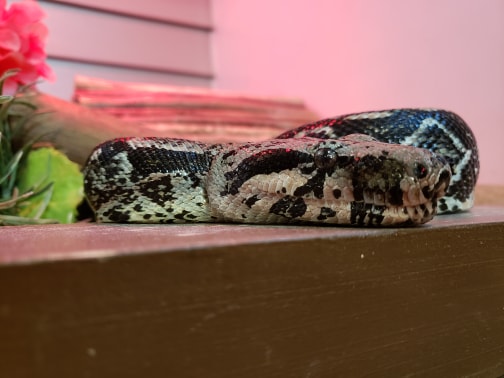
The boa constrictor is native to Central and South America, as well as certain regions of the Caribbean. In its natural habitat, it is found particularly in tropical forests and wet savannas. It spends time both on the ground and in trees, making it a semi-arboreal snake.
During the day, the wild boa constrictor generally looks for a quiet place to rest. A large branch or a hollow in a tree allows it to remain hidden from view and protected from predators. It also uses these locations to digest and regulate its body temperature.
At dusk, this nocturnal snake becomes more active. It climbs down from its perch and looks for a place to wait for prey. The boa constrictor is an ambush predator, meaning it can remain motionless for several hours before grabbing an animal passing nearby.
When it captures its prey, the boa constrictor uses constriction. It wraps its body around the animal and applies pressure that interrupts blood circulation to its vital organs. Once it has swallowed its meal, it returns to a hiding place to digest, a process that can last several days or even several weeks depending on the size of the prey.
Like all reptiles, the boa is ectothermic : its body temperature depends primarily on its environment. Heat for a boa constrictor plays an essential role in its metabolism and digestion. This is why its enclosure must provide several temperature zones.
What Size Terrarium Does a Boa Constrictor Need?
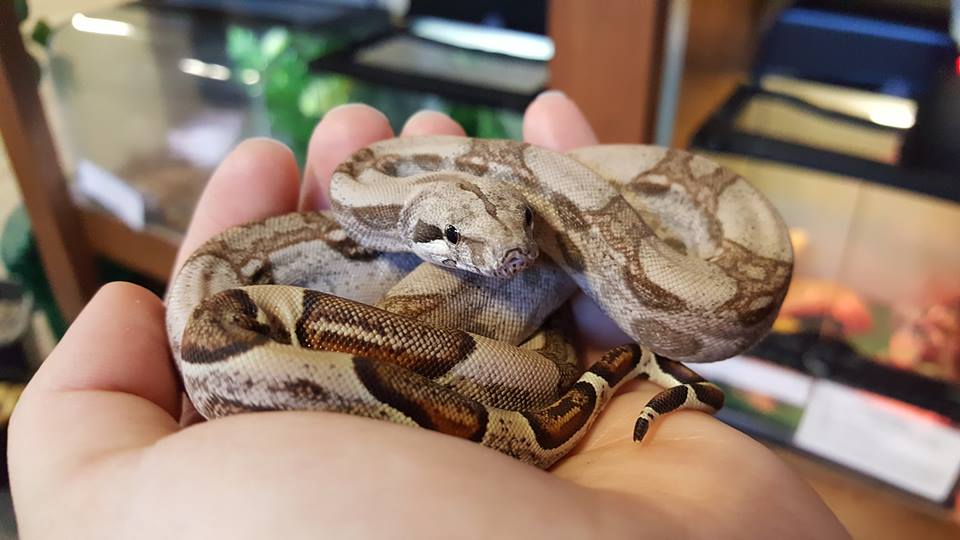
A baby boa constrictor's terrarium, up to approximately one year of age, can measure around 36 x 18 x 18 inches. The goal is to provide enough space for movement without creating an environment where the snake might feel exposed. Regardless of its age, the snake must be able to stretch out to its full length.
A boa constrictor terrarium must also include at least two hides, one at the warm end and one at the cool end. Each hide must be large enough for the snake to enter, turn around and exit easily. These elements must be considered when choosing the enclosure.
As it grows, the adult boa constrictor becomes much longer and heavier. Terrariums sold in pet stores do not always meet its needs. A custom-built boa constrictor enclosure allows enough floor space to be provided, as well as vertical space for climbing.
Why Is a Locking System Necessary?
A boa constrictor is a powerful snake that may be able to open certain terrarium doors. A secure locking system is therefore essential, even when the animal is still young. Terrarium security protects the snake as well as people and other animals in the home.
What Ventilation Is Needed?
Ventilation in a boa constrictor's terrarium must allow adequate air circulation. Screened openings can be installed on the top of the enclosure, for example. Poor ventilation, combined with constant heat and humidity, can encourage mould growth and negatively affect the snake's respiratory health.
Where Should You Place a Boa Constrictor's Terrarium?
The location of a boa constrictor's terrarium directly influences its temperature and humidity. Avoid placing it near a window, where sunlight could cause overheating. A basement, on the other hand, may have a cooler temperature and higher humidity level.
Drafts in the terrarium must also be avoided. Frequent exposure to temperature fluctuations can contribute to respiratory problems. Enclosure conditions must therefore be measured directly inside the terrarium and adjusted according to the room in which it is located.
Because the boa constrictor is nocturnal, it appreciates a relatively quiet environment during the day. Placing its enclosure in a busy area, such as a constantly occupied living room, can interfere with its rest. It is better to choose a room with less movement and noise.
The presence of other animals near a boa constrictor must also be considered. The smell or presence of small mammals, such as rats or rabbits, may stimulate its predatory behaviour. Conversely, these animals may experience significant stress when regularly seeing a predator nearby. It is therefore preferable to prevent visual contact between them.
How Do You Set Up a Boa Constrictor Terrarium?
A properly designed boa constrictor terrarium must allow the snake to move, hide, climb and choose its preferred temperature. The appearance of the decorations is secondary: each element must first meet one of the animal's needs.
Hides and Resting Areas
In the warm zone of the terrarium, a hide must allow the boa to warm up while remaining sheltered. Its surface can also serve as a resting platform. Heated rocks should be avoided because they can cause burns.
In the cool zone of the terrarium, a second hide allows the snake to lower its body temperature when needed. This is also where its water bowl and humid hide can be placed.
Branches, Rocks and Decorations
The boa constrictor is semi-arboreal and must have access to branches strong enough to support its weight. These elements encourage exploration and natural behaviours. They must be installed away from heat sources to reduce the risk of burns.
Rocks can also contribute to boa constrictor enrichment. Their rough surfaces help the snake remove its old skin during shedding. However, every rock or branch must be stable to prevent an object from shifting or falling onto the animal.
Artificial plants for terrariums can be used if they are safe. Long strands of foliage in which the snake could become tangled should be avoided. Given the strength and weight of an adult boa, all accessories must be sturdy and securely attached.
What Temperature Does a Boa Constrictor Need?
The ideal temperature for a boa constrictor varies depending on the location within its terrarium. This variation creates a thermal gradient, allowing the snake to move between a warm zone and a cool zone according to its needs.
What Temperature Should the Warm Zone Be?
The boa constrictor's warm zone should remain between 28 and 32 °C. It allows the snake to increase its body temperature, activate its metabolism and facilitate digestion.
What Temperature Should the Cool Zone Be?
The boa constrictor's cool zone should be between 24 and 26 °C. This zone allows the reptile to move away from the heat once it has reached a sufficient body temperature.
What Temperature Is Needed at Night?
The boa constrictor's nighttime temperature can drop to between 22 and 25 °C. When the room temperature naturally remains within this range, heating elements can be turned off at night.
How Do You Check the Temperatures?
To monitor the terrarium temperature, it is recommended to install one thermometer in the warm zone and another in the cool zone. Readings should be checked regularly. Heat lamps for boa constrictors must always remain out of the snake's reach to prevent burns.
What Humidity Does a Boa Constrictor Need?
Boa constrictor humidity should remain around 60 to 70%. To maintain a more humid area without spraying the entire enclosure every day, a humid hide for a boa constrictor can be provided.
This hide must be large enough for the snake to enter comfortably. It can contain sphagnum moss, coconut fibre or another substrate capable of retaining moisture. It must be maintained regularly to remain clean.
The boa constrictor's humid hide is particularly useful during shedding. Inadequate humidity can prevent the old skin from coming off properly and lead to incomplete sheds.
How Do You Measure Humidity?
A terrarium thermo-hygrometer measures temperature and humidity with a single device. It can be placed near the humid hide to check that conditions remain appropriate.
What Substrate Should You Use in a Humid Hide?
Sphagnum moss for boa constrictors has excellent water-retention properties. It also provides an interesting texture for burrowing and has antibacterial and antifungal properties. However, it is more expensive and must be replaced periodically, generally every two to three months.
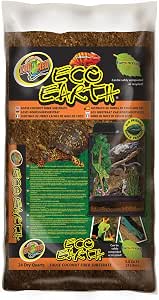
Coconut fibre for boa constrictors is affordable, durable and provides a natural appearance. However, it must be moistened appropriately: when too wet, it becomes muddy and sticks to the scales; when too dry, it can produce dust that irritates the respiratory tract.
Does a Boa Constrictor Need UVB?
UVB rays for boa constrictors, although described as not mandatory in this guide, are recommended for their benefits. They allow reptiles to synthesize vitamin D3, which is necessary for proper calcium absorption.
Unlike lizards, which generally receive supplements, the boa constrictor obtains its calcium by consuming whole prey. The bones, organs and other tissues of its prey provide the nutrients it needs.
A tropical UVB lamp for a boa constrictor can therefore be installed to more closely reproduce natural conditions. The choice of equipment depends on the size and height of the terrarium.
According to the distances indicated in this guide, the boa constrictor's UVB source should not be more than 40 cm from the highest point accessible to the snake. It is also important to prevent the snake from getting closer than 30 cm.
A lighting cycle of 12 hours of light and 12 hours of darkness can be programmed using a timer. UVB bulbs and fluorescent tubes must be replaced according to their effective lifespan, generally every 6 to 12 months, even when they still produce visible light.
Important: a heat lamp for a boa constrictor that produces white light does not necessarily emit UVB. Heating and UVB lighting are therefore two separate functions to consider when setting up the enclosure.
What Substrate Should You Choose for a Boa Constrictor?
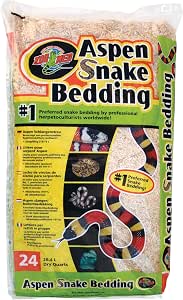
The boa constrictor's substrate should be selected based on safety, maintenance, moisture management and the enrichment opportunities it provides. At Éducazoo, we prefer aspen snake bedding, a substrate that allows the snake to burrow.
Aspen Snake Bedding
Aspen bedding for boa constrictors makes it easier to spot feces and provides good burrowing opportunities. However, it is less suitable for very humid environments because it can develop mould. Its cost is also a disadvantage.
Coconut Husk Mulch
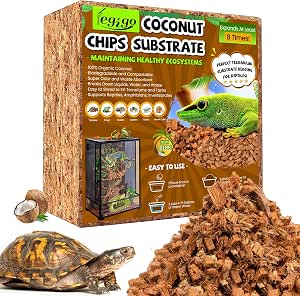
Coconut husk mulch for boa constrictors retains moisture well and helps reduce odours. It has a natural appearance, but feces can be difficult to spot. When too dry, it can also produce dust.
Coconut Fibre
Coconut fibre for boa constrictors retains water effectively and allows the snake to dig. When too wet, it can become muddy and encourage bacterial growth. When too dry, it becomes dusty and may irritate the respiratory tract.
Bark
Bark for boa constrictor terrariums provides a natural appearance and withstands humidity relatively well. However, it presents a risk of accidental ingestion and can dry out quickly.
Paper
Paper as a substrate for boa constrictors is particularly practical during quarantine. It makes it easy to spot feces, urates and certain parasites. However, it provides little enrichment and requires frequent replacement.
Vinyl
Vinyl for boa constrictor terrariums is durable and easy to clean and disinfect. It eliminates the risk of substrate ingestion but does not encourage burrowing or retain moisture.
At Éducazoo, aspen snake bedding can be combined with a separate humid hide, positioned to prevent moisture from reaching the main substrate directly. This setup helps meet the snake's different needs while making maintenance easier.
What Does a Boa Constrictor Eat?
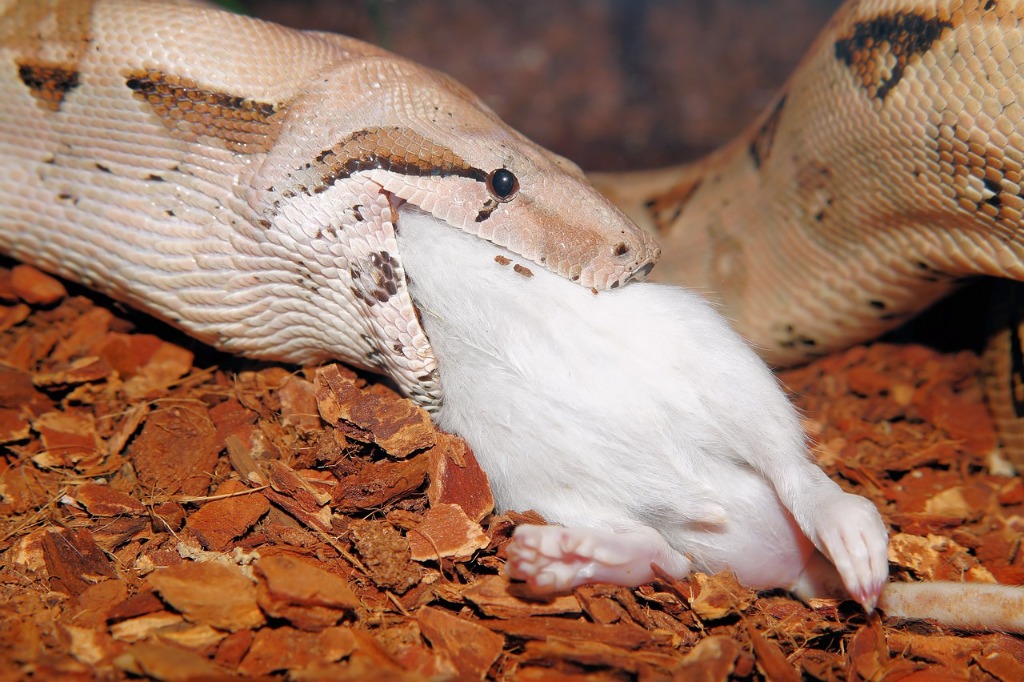
The boa constrictor is carnivorous and feeds on whole prey. In captivity, its diet generally consists of mice and rats, with prey size changing as the snake grows.
A baby boa constrictor may begin by eating small mice before gradually moving on to larger prey. As adults, some individuals can eat large rats, several prey animals, or even guinea pigs and rabbits.
Why Feed Whole Prey?
A boa constrictor's diet must include whole prey to meet its nutritional needs. By consuming bones, organs and flesh, the snake obtains calcium and other essential nutrients. Simple pieces of meat therefore do not provide a complete diet.
Is It Better to Feed a Boa Constrictor Dead or Live Prey?
Dead prey for boa constrictors offers several advantages. It reduces the risk of injury to the snake and avoids exposing live prey to stress and injuries during feeding.
Some boa constrictors accustomed to live prey may nevertheless refuse thawed prey. A transition can be attempted, but it must take the animal's appetite and health into account. Repeated attempts should not compromise its overall condition.
How Do You Thaw Prey for a Boa Constrictor?
Frozen prey for boa constrictors must be thawed before being offered to the snake. This guide describes using a sealed bag placed in water to allow gradual thawing, followed by warming the prey before feeding.
Never use a microwave to thaw prey, because heat may be distributed unevenly and damage the tissues. The prey must also not be offered while it is excessively hot.
How Do You Feed a Boa Constrictor Safely?
The protocol presented in this guide recommends feeding the boa constrictor in a separate container from its terrarium to reduce the association between opening the enclosure and the arrival of food.
When live prey is offered to a boa constrictor, supervision is essential to prevent injuries. If the snake refuses to eat, the prey must be removed. The guide also recommends an opaque container, since the boa is primarily active in the evening and at night.
What Size Prey Should You Feed a Boa Constrictor?
The size of a boa constrictor's prey must be appropriate for the snake's size. According to the guideline presented in this care sheet, the prey should not exceed the widest part of the snake's body. Another guideline mentioned is prey measuring no more than two to three times the size of its head.
For a baby boa constrictor, pinky mice, which are hairless newborns, or fuzzy mice, which are beginning to grow fur, can be offered. As the snake grows, it can move on to jumbo mice and then rats of different sizes.
For an adult boa constrictor, prey may include large rats, guinea pigs or rabbits, depending on the individual's size and needs. The size and quantity of food must always be adjusted to prevent overfeeding.
How Often Should You Feed a Boa Constrictor?
A boa constrictor's feeding frequency varies according to its age, growth, appetite and body condition. Young snakes generally need more frequent meals than adults.
A baby boa constrictor is generally fed every 7 to 10 days to support its growth. Juveniles and subadults can receive prey approximately every 10 to 14 days.
For an adult boa constrictor, the general schedule presented in this guide recommends meals every two to three weeks, adjusted according to the individual and the size of the prey offered.
However, it is important to avoid overfeeding a boa constrictor. In captivity, overly frequent meals can contribute to obesity, a condition that can have various consequences for its health.
Does a Boa Constrictor Need Water?
Yes. Even though it is rarely seen drinking, a boa constrictor needs fresh water available at all times. A water bowl for a boa constrictor should be placed in the cool zone of the terrarium. It must be large enough for the snake to sit in if it wishes to soak, particularly during shedding.
The boa constrictor's water must be changed daily. Since some reptiles defecate in their water bowls, the container must be cleaned regularly with a brush and soap, then rinsed thoroughly before being returned to the enclosure.
How Do You Handle a Boa Constrictor?
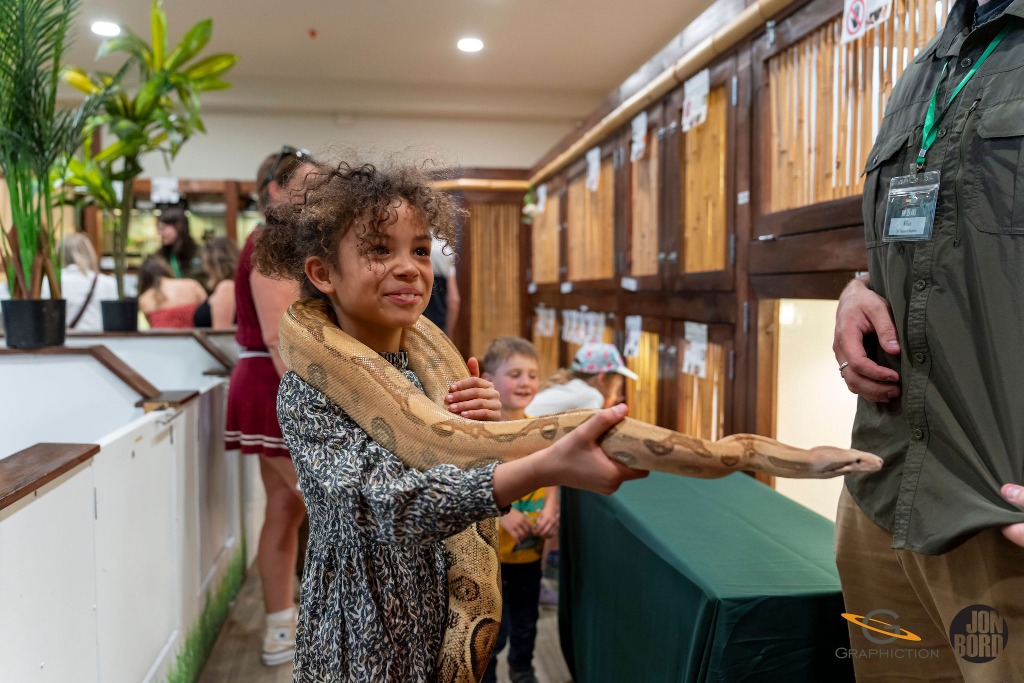
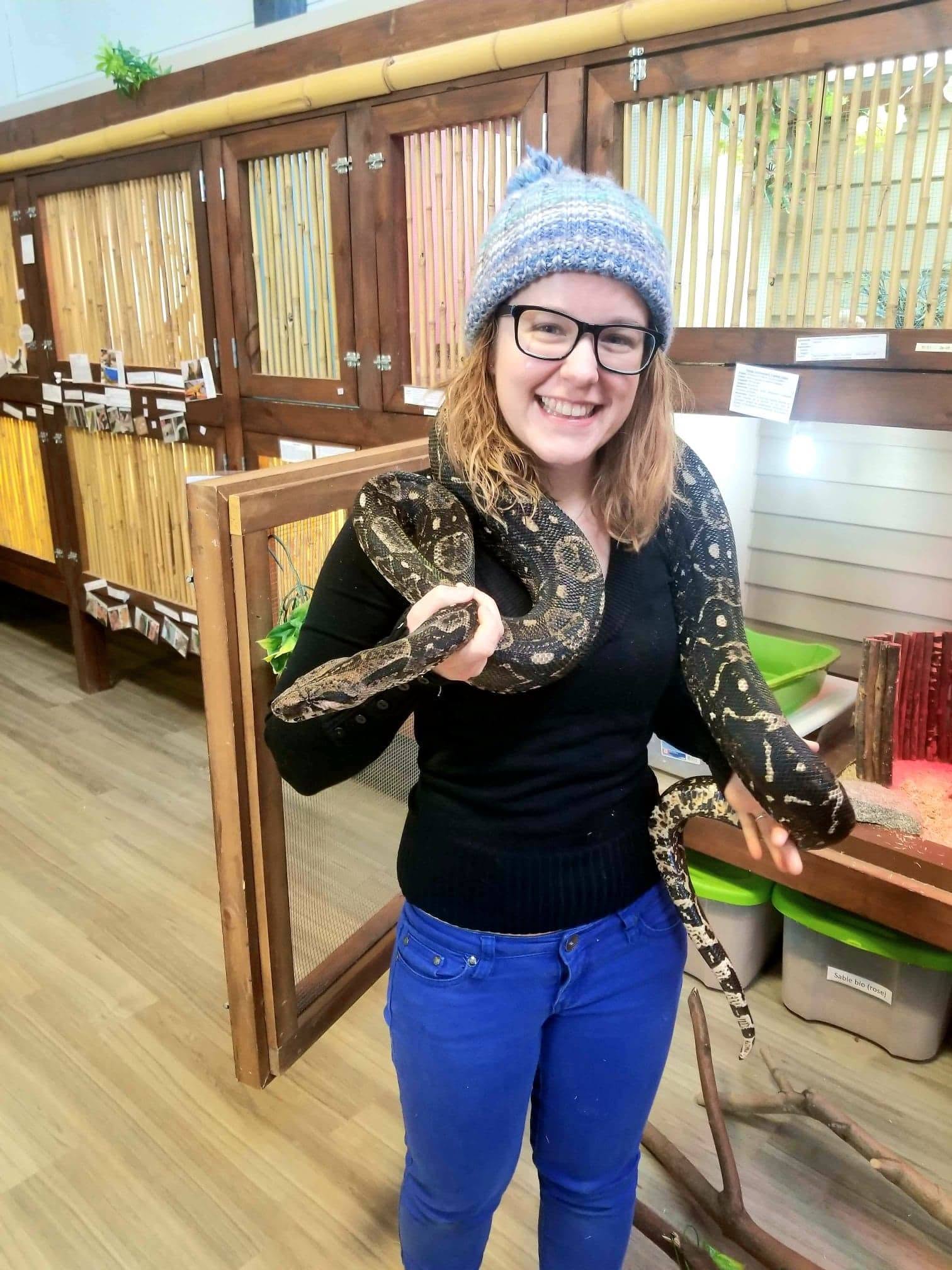
Handling a boa constrictor requires more precautions than handling many smaller snakes. Its size, weight and strength must be considered before lifting it.
How Can You Tell if a Boa Is Receptive to Handling?
Before picking up a boa constrictor, approach calmly and give it time to detect your presence. The guide suggests gently signalling your presence by touching the rear third of its body.
A stressed boa constrictor may position itself in an "S" shape, hiss, stiffen its body or make sudden movements. These behaviours indicate that it is not receptive. If handling is not necessary for care, it is better to postpone it.
How Do You Support a Boa Constrictor?
To lift a boa constrictor, support its body at several points, ideally around the first and second thirds. This prevents long sections of its body from hanging unsupported, which could place strain on its spine.
When handling a large boa constrictor, having a second person present is strongly recommended. This precaution promotes the animal's comfort and people's safety.
When Should You Avoid Handling a Boa?
It is preferable not to handle a boa constrictor after a meal. A rest period of 48 to 72 hours allows the snake to begin digestion without being disturbed.
Handling during shedding should also be limited. During this period, the snake uses considerable energy, and its vision may be reduced, particularly when its eyes become bluish.
Because the boa constrictor is nocturnal, it is generally less active during the day. Daytime handling sessions should therefore remain relatively short, while evening handling must take its higher activity level into account.
After any boa constrictor handling, washing your hands with soap and water is essential. Reptiles can carry Salmonella, a bacterium that can cause a zoonosis, meaning a disease that can be transmitted between animals and humans.
Do Boa Constrictors Bite?
Yes, a boa constrictor can bite, particularly when it feels threatened or mistakes a hand for prey. A defensive boa constrictor bite can occur when its signs of discomfort are ignored. An "S" position, hissing or a very tense body should prompt you to stop the interaction.
A feeding-related boa constrictor bite can also occur when the snake associates the arrival of a hand with food. Safe feeding methods must therefore be used, and prey should never be offered directly with your fingers.
Is a Boa Constrictor Dangerous for Children?
A boa constrictor around children requires constant supervision. Its size and strength can present a risk if handling is not properly supervised.
A child should never handle an adult boa constrictor alone. An experienced adult must be present to protect the child and ensure that the snake is properly supported.
Can Two Boa Constrictors Live Together?
Housing two boa constrictors together is generally discouraged. This species does not particularly need the presence of other boas outside of reproduction.
A terrarium for two boa constrictors would need to be exceptionally large and probably custom-built. Each snake would need its own hides and adequate access to heat and UVB.
Boa constrictor cohabitation can also lead to stress and competition for resources. Even without visible confrontations, one individual could monopolize certain areas.
The risk of boa constrictor reproduction must also be considered. Females are ovoviviparous, meaning the young develop inside the mother's body and are born alive. An unwanted pregnancy may therefore be discovered late.
How Can You Tell a Male Boa Constrictor From a Female?
Sexual dimorphism in boa constrictors, meaning the physical differences between males and females, is relatively difficult to observe.
The female boa constrictor is generally longer and larger than the male. This difference is partly explained by the demands of reproduction, since her body must accommodate the developing young during gestation.
The section of the tail located after the boa constrictor's cloaca is generally longer and narrower in males, and shorter and thicker in females. However, this difference does not allow sex to be determined with certainty.
The boa constrictor's pericloacal spurs are small structures located near the cloaca. They are remnants of the hind limbs of its ancestors and are generally more developed in males. They also play a role during mating.
To sex a boa constrictor, certain techniques involve everting the hemipenes or using a cloacal probe. However, these methods carry a risk of injury when performed incorrectly.
At Éducazoo, we do not recommend determining the sex of a boa constrictor without a specific reason, especially when cohabitation is not planned. If reproduction must be prevented, sex determination becomes important and should be performed by a qualified person.
How Does Shedding Work in a Boa Constrictor?
Boa constrictor shedding, scientifically known as ecdysis, allows the snake to renew its skin. It occurs several times a year, at a frequency that varies mainly according to age.
In a baby boa constrictor, shedding may occur every two to three weeks. In subadults and adults, it is generally less frequent, occurring approximately every two to three months.
How Can You Tell When a Boa Constrictor Is About to Shed?
Before boa constrictor shedding, its colours often become duller and its activity may decrease. Its eyes may also take on a bluish appearance.When conditions are appropriate, the boa constrictor sheds its skin in one piece. Skin that comes off in several fragments may indicate a humidity, enclosure setup or health problem.
How Can You Help a Boa Constrictor Having Trouble Shedding?
Incomplete shedding in a boa constrictor can leave pieces of skin on certain parts of the body. The tip of the tail and the eyes are particularly important areas to monitor.
Terrarium humidity and the presence of rough surfaces contribute to successful shedding. Lukewarm baths can also be used to help loosen remaining pieces of skin.
If a boa constrictor experiences several consecutive incomplete sheds despite appropriate conditions, a veterinary consultation may be necessary to investigate an underlying health problem.
Why Are My Boa Constrictor's Eyes Turning Blue?
Blue eyes in a boa constrictor are generally associated with shedding. Lymphatic fluid accumulates between the old and new protective layers of the eye, temporarily giving it an opaque or bluish appearance.
Unlike humans, snakes do not have movable eyelids. Their eyes are protected by a transparent scale, which is also renewed during shedding.
A boa constrictor with blue eyes therefore has reduced vision during this period. It may react more strongly when approached, which explains why handling should be limited.
Why Is My Boa Constrictor Not Eating?
A boa constrictor refusing food is not necessarily sick. Several factors can explain a temporary decrease in appetite.
During boa constrictor shedding, the snake devotes a significant amount of energy to renewing its skin. It may therefore refuse a meal and begin eating again once shedding is complete.
An inappropriate terrarium temperature can also slow its metabolism and reduce its appetite. The heating equipment and actual enclosure temperatures should then be checked.
Stress in a boa constrictor can also cause food refusal. A change in environment, excessive activity around the terrarium or another disturbing factor can influence its behaviour.
The season can influence a boa constrictor's feeding habits. Some individuals naturally reduce their food intake as winter approaches and may go through periods of fasting.
Finally, prey that is too large for a boa constrictor may cause it to refuse food. It is therefore important to always check that prey size is appropriate for the snake.
When a boa constrictor stops eating and no environmental or behavioural factor explains the situation, a health problem must be considered. A consultation with an exotic animal veterinarian then becomes appropriate.
Certain signs of illness in a boa constrictor require prompt attention, including abnormal breathing sounds, excessive salivation, repeated regurgitation, persistent shedding problems, prolapse or neurological symptoms.
Why Does My Boa Constrictor Stay Hidden?
The boa constrictor is a nocturnal snake, meaning it is generally more active in the evening and at night. It is therefore normal for it to spend much of the day hidden.
Boa constrictor hides are essential because they allow the snake to rest in an environment where it feels protected. A snake that remains hidden is therefore not automatically stressed.
However, a boa constrictor that stays hidden constantly may also be reacting to inappropriate temperatures or a stressful situation. Its usual behaviour should therefore be considered, and its enclosure conditions should be checked.
What Are Common Health Problems in Boa Constrictors?
Several boa constrictor health problems can occur throughout its life. Some are directly associated with husbandry conditions, while others may be caused by infectious agents or nutritional imbalances.
Respiratory Infections
A respiratory infection in a boa constrictor can affect its trachea and lungs. Symptoms include open-mouth breathing, wheezing, gurgling sounds, nasal discharge, holding the head elevated, lethargy or loss of appetite.
Causes of respiratory infections in boa constrictors may include temperatures that are too low or unstable, inappropriate humidity, chronic stress, insufficient ventilation or the presence of pathogens. Veterinary care is necessary when these symptoms appear.
External and Internal Parasites
Boa constrictor parasites can be external, such as mites and ticks, or internal, such as certain worms and protozoa.
Snake mites, particularly Ophionyssus natricis, may appear as small moving black dots on the skin or in the water. They can cause itching and stress and contribute to the transmission of certain infectious diseases.
Internal parasites in boa constrictors may cause weight loss, digestive problems, regurgitation, diarrhea or dehydration. Veterinary testing may be necessary to identify the parasites and determine the appropriate treatment.
Obesity
Obesity in boa constrictors is a problem reported in captivity, particularly when meals are too frequent and the animal lacks activity.
An overweight boa constrictor may have a very rounded body, skin folds when bending, fatty deposits near the head or cloaca, and reduced activity.
Boa constrictor obesity can contribute to hepatic lipidosis, meaning an accumulation of fat in the liver, as well as reproductive or shedding problems. It may also reduce the snake's lifespan.
To help an obese boa constrictor, the size and frequency of meals should be reviewed, opportunities for activity increased, and its weight monitored regularly. The document specifies that an adult boa with a slow metabolism may, depending on its condition, require meals spaced as far apart as four to six weeks.
Burns
A burn in a boa constrictor is a medical emergency because it can lead to tissue necrosis and a serious infection.
When a heat source causes a burn, it must be turned off immediately and any further contact with the animal prevented. The affected area can be briefly cooled with cool water, never ice-cold water.
A burned boa constrictor must be evaluated promptly by a veterinarian. Its enclosure must remain clean, and local treatments, including the antiseptic baths mentioned in the original document, must be adapted according to the veterinary assessment.
Dehydration
Dehydration in a boa constrictor may appear as loose or wrinkled skin, sunken eyes, a wrinkled eye scale or difficulty shedding.
Causes of dehydration in boa constrictors include humidity that is too low, absent or dirty water, inappropriate temperatures or certain health problems.
To correct mild dehydration in a boa constrictor, the first steps are to check the terrarium conditions and ensure access to clean water. The document also mentions using shallow lukewarm baths and electrolyte solutions in certain situations; these interventions must be adapted to the animal's condition and supervised by a veterinarian when necessary.
How Much Does a Boa Constrictor Cost?
The price of a boa constrictor represents only part of the budget needed to meet its needs. A large enclosure, heating, UVB lighting, accessories, food and veterinary care must also be considered.
Boa constrictor price : approximately $120 to $2,000
Terrarium: approximately $450 to $800
Heating : approximately $15 to $50, to be replaced as needed
Lighting and UVB : approximately $15 to $45, generally requiring replacement every 6 to 12 months
Decorations and enclosure setup : approximately $150 to $300
Thermometers and hygrometer : approximately $5 to $20
Substrate : approximately $75 to $100
Annual feeding costs : approximately $250 to $500
Veterinary care : approximately $250 to $350 for an initial consultation, depending on the clinic.
The initial cost of a boa constrictor is estimated in this guide at between $1,350 and $4,200. The annual cost of caring for a boa constrictor is estimated at approximately $850, depending on expenses and the animal's needs.
Éducazoo's Experience With the Boa Constrictor
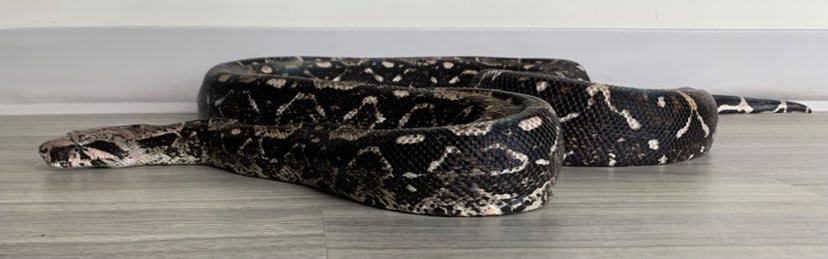
Here is the story of Nagini, the boa constrictor at the Terrebonne sanctuary. When Nagini, an adult boa constrictor, arrived at the Terrebonne sanctuary eight years ago, her condition was alarming. She was approximately three times thinner than she should have been and had a significant amount of excess skin. Her appearance reflected a long period during which her nutritional needs had not been adequately met.
Our Animal Care Specialists at the Éducazoo Inc sanctuary quickly implemented a gradual refeeding program to help her regain her strength. However, another health problem emerged: a serious respiratory infection in this boa constrictor.
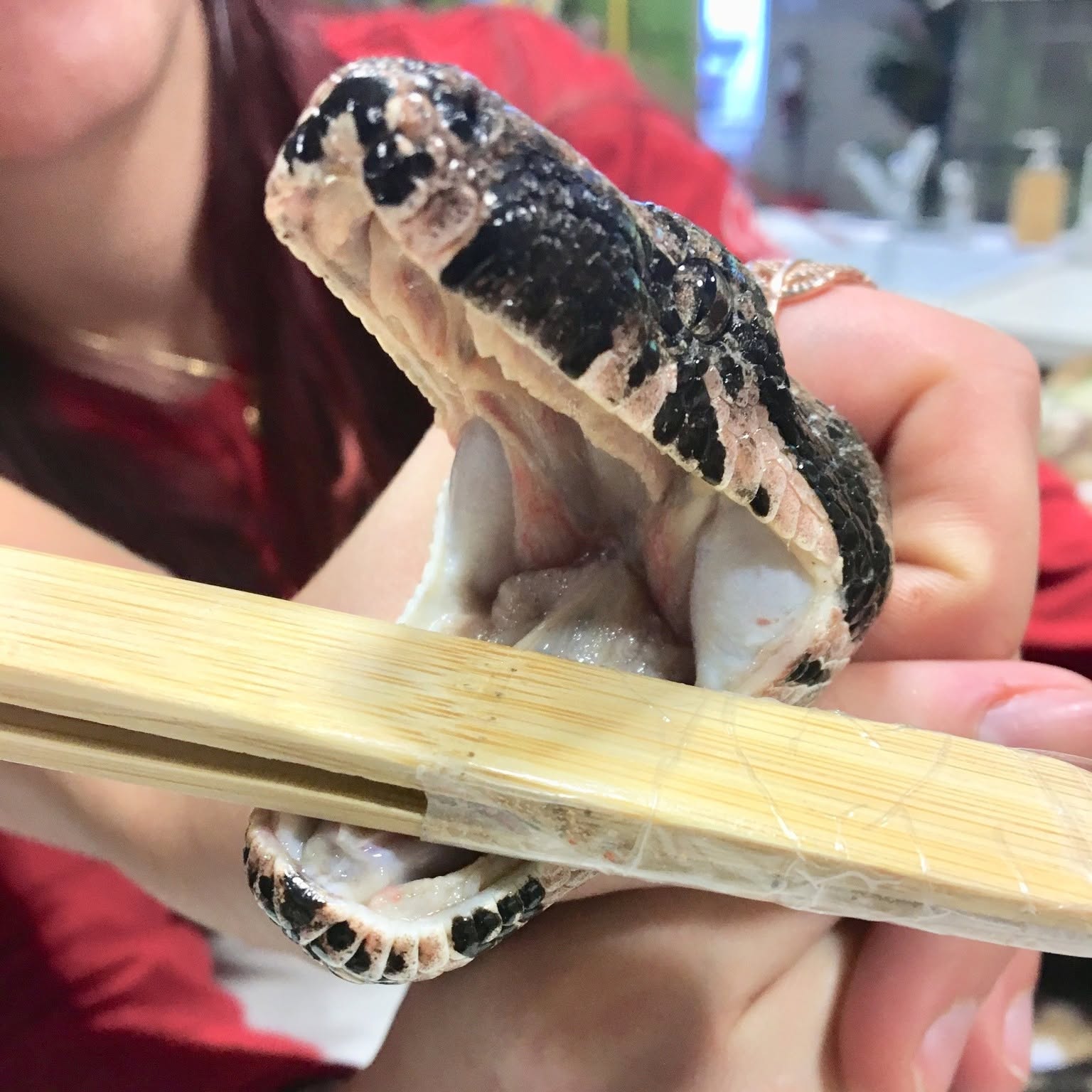
Contrary to what some might believe, a healthy boa constrictor does not drool. Nagini's excessive salivation was therefore a concerning sign requiring veterinary intervention.
Despite several antibiotic treatments, Nagini's respiratory symptoms continued to reappear over the years. In 2021, she even appeared on the television show Ambulance animale to receive a more thorough evaluation.
Examinations confirmed that Nagini suffers from a chronic respiratory infection. Even today, she requires attentive monitoring by our Animal Care Specialists, along with carefully controlled husbandry conditions to support her comfort and welfare.
Her story reminds us why boa constrictor care involves much more than providing a terrarium and meals. The quality of its environment, nutrition, daily observations and veterinary interventions all play important roles in its long-term health.
Frequently Asked Questions About Boa Constrictors
How Big Can a Boa Constrictor Get?
The size of an adult boa constrictor varies according to sex and subspecies. Females generally measure between 2.1 and 3 metres and males between 1.8 and 2.4 metres, but some individuals can reach up to 4.20 metres.
How Long Does a Boa Constrictor Live?
The lifespan of a boa constrictor is generally 20 to 30 years in captivity. Some individuals can live even longer.
What Does a Boa Constrictor Eat?
The boa constrictor is carnivorous and consumes whole prey. Its diet consists mainly of mice and rats, and sometimes guinea pigs or rabbits in larger individuals.
How Often Should You Feed a Boa Constrictor?
A baby boa constrictor generally eats every 7 to 10 days, while a juvenile may be fed every 10 to 14 days. In adults, meals are spaced farther apart, and their frequency must be adjusted according to body condition.
What Size Terrarium Does a Boa Constrictor Need?
A baby boa constrictor terrarium can measure approximately 36 x 18 x 18 inches. As an adult, a custom-built enclosure is often preferable to allow the snake to stretch out and climb.
What Temperature Does a Boa Constrictor Need?
The temperature in a boa constrictor's terrarium should be between 28 and 32 °C in the warm zone, between 24 and 26 °C in the cool zone, and between 22 and 25 °C at night.
What Humidity Does a Boa Constrictor Need?
The ideal humidity for a boa constrictor is around 60 to 70%. A humid hide containing sphagnum moss or coconut fibre can be particularly useful during shedding.
Does a Boa Constrictor Need UVB?
UVB for boa constrictors is recommended in this guide to promote vitamin D3 synthesis and calcium absorption. A tropical UVB lamp can be installed while respecting the appropriate distances within the terrarium.
Is a Boa Constrictor Venomous?
No, the boa constrictor is not venomous. It subdues its prey through constriction, applying pressure that interrupts blood circulation.
Do Boa Constrictors Bite?
Yes, a boa constrictor can bite if it feels threatened or mistakes a hand for prey. An "S" position, hissing and a tense body are warning signals that must be respected.
Is a Boa Constrictor Dangerous?
The size and strength of a boa constrictor require important precautions. Handling must be supervised, and large individuals should ideally be supported by two people.
Is a Boa Constrictor a Good Pet?
Keeping a boa constrictor as a pet is best suited to experienced owners. Its large enclosure, feeding requirements, costs and handling precautions make it a snake that is not well suited to beginners.
Can Two Boa Constrictors Live Together?
Housing two boa constrictors together is generally discouraged. It can cause stress, competition for resources and unwanted reproduction.
Why Is My Boa Constrictor Not Eating?
A boa constrictor refusing food may be shedding, experiencing stress, living in a terrarium that is too cold or responding to seasonal changes. Prey that is too large may also explain its refusal. If no cause can be identified, a veterinary consultation may be necessary.
Why Does My Boa Constrictor Stay Hidden?
The boa constrictor is nocturnal, so it is normal for it to spend the day in a hide. However, stress or inappropriate temperatures may increase this behaviour.
Why Are My Boa Constrictor's Eyes Turning Blue?
Blue eyes in a boa constrictor generally indicate that shedding is approaching. Lymphatic fluid accumulates between the old and new protective eye scales, temporarily reducing its vision.
How Much Does a Boa Constrictor Cost?
The initial cost of a boa constrictor is estimated at between $1,350 and $4,200 in this guide. The annual care budget is estimated at approximately $850, depending on the animal's needs.
How Can I Tell if My Boa Constrictor Is Male or Female?
The female boa constrictor is generally larger than the male. Males often have proportionally longer tails and more developed pericloacal spurs. However, reliable sex determination requires a specialized assessment.
How Do You Handle a Boa Constrictor?
To handle a boa constrictor, first make sure it is receptive. Its body must be supported at several points without allowing long sections to hang unsupported. A second person is recommended for large individuals.
What Substrate Should You Choose for a Boa Constrictor?
At Éducazoo, we prefer aspen snake bedding for boa constrictors, particularly because it is easy to maintain and provides opportunities for burrowing. Coconut husk mulch, coconut fibre, bark, paper and vinyl also have advantages and limitations.


