


Resident Stories Behind Every Animal Is a Second Chance
17 June 2026

Why do some exotic animals end up in an animal sanctuary? What happens to a snake found under a deck or a parrot whose family can no longer care for it? How does an animal sanctuary team help restore quality of life to animals that have experienced difficult circumstances?
In this blog article, our biologist Roxanne Brunelle introduces several resident stories that have left a lasting impression on the Éducazoo team. You will discover how abandoned, seized, relocated, or surrendered animals found a second chance thanks to the care provided by our Animal Care Specialists and the educational mission of our exotic animal sanctuary.
Nagini the Boa Constrictor: An Eight-Year Battle
When Nagini, an adult boa constrictor, arrived at the sanctuary eight years ago, his condition was alarming. He was approximately three times thinner than he should have been. His body showed an excessive amount of loose skin, a clear sign that he had gone a long time without adequate nutrition.
Our Animal Care Specialists immediately implemented a gradual feeding program to help him regain strength. Soon afterward, another problem became apparent: a severe respiratory infection. Contrary to popular belief, snakes do not drool. The presence of excessive saliva was therefore a clear indication of a serious health issue requiring immediate attention.
Despite multiple rounds of antibiotics, the symptoms continued to return over the years. In 2021, Nagini even appeared on the television show Animal Ambulance to receive a more extensive medical evaluation. The examinations confirmed that he suffers from a chronic respiratory infection that still requires constant monitoring and highly controlled husbandry conditions today.
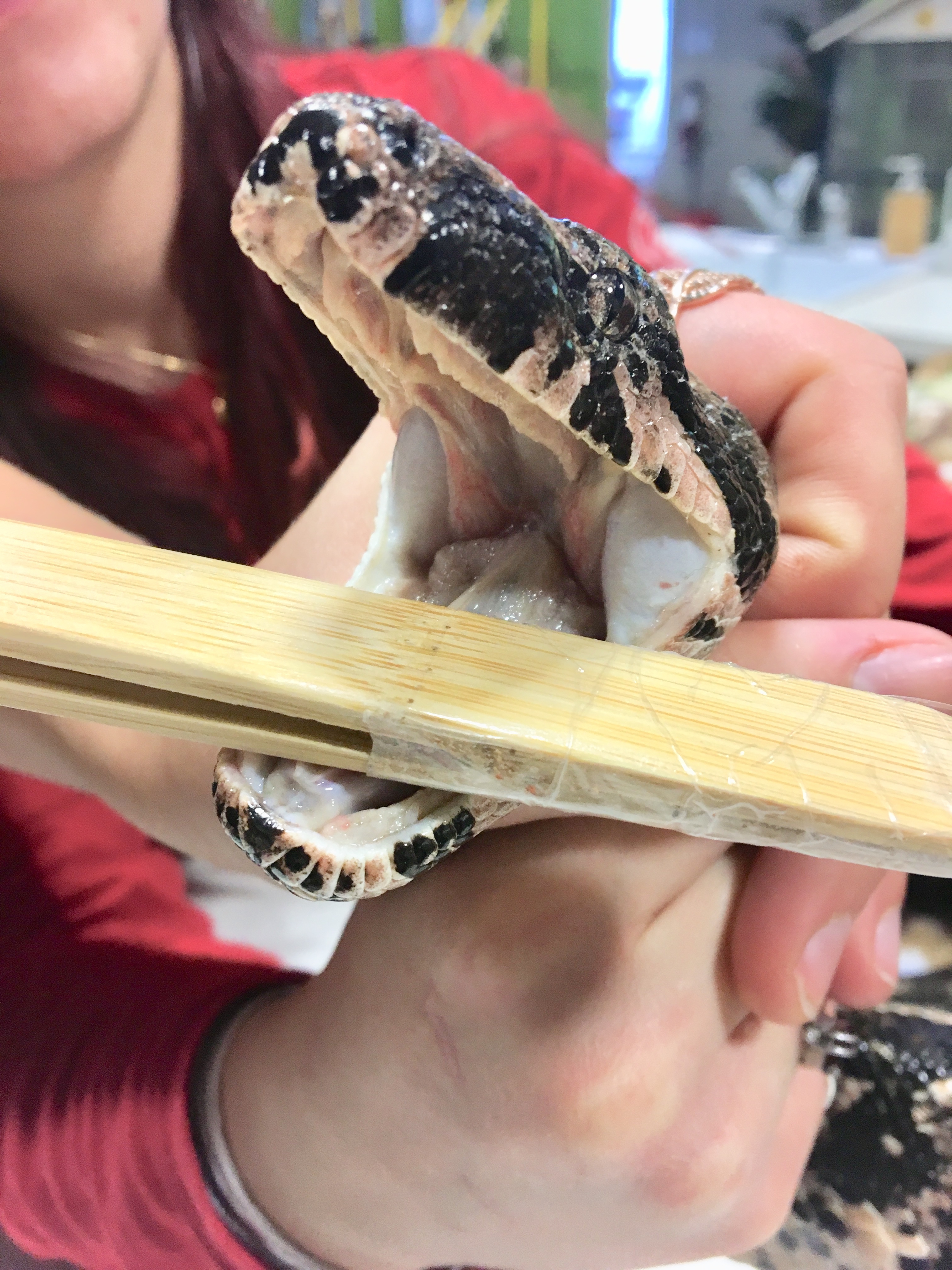
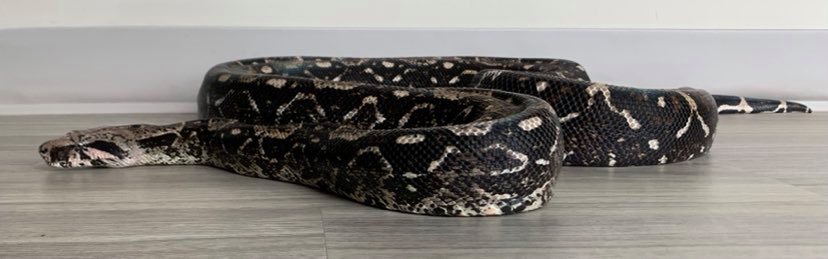
Today, this exotic snake serves as one of our animal ambassadors and can sometimes be encountered during guided tours and educational presentations.
Toby the Cockatoo: A Second Family at 39 Years Old
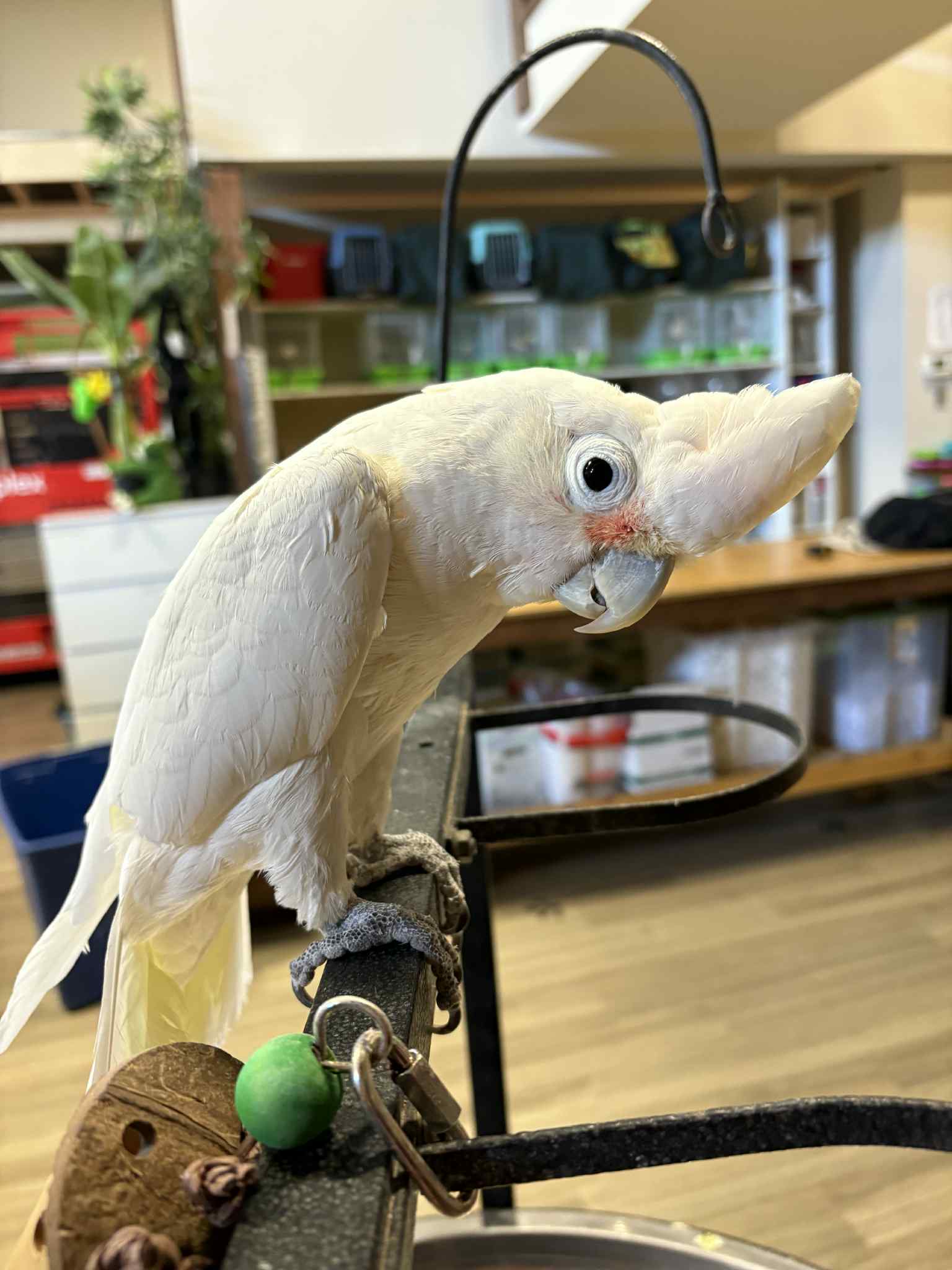
Toby, a Goffin’s Cockatoo, arrived at Éducazoo in 2025. At 39 years old, he had to leave his family when his owner experienced significant health challenges.
Unfortunately, this situation is common among companion parrots. Their remarkable longevity often means they outlive their owners or require rehoming when life circumstances change.
When Toby arrived, he faced another challenge. His flight feathers had been excessively trimmed, and they were struggling to regrow properly. Through a balanced diet, appropriate care, and regular showers, he gradually regained a healthy plumage.
Today, Toby can move around much more easily and has even begun participating in certain educational outings.
Opossums That Became Ambassadors
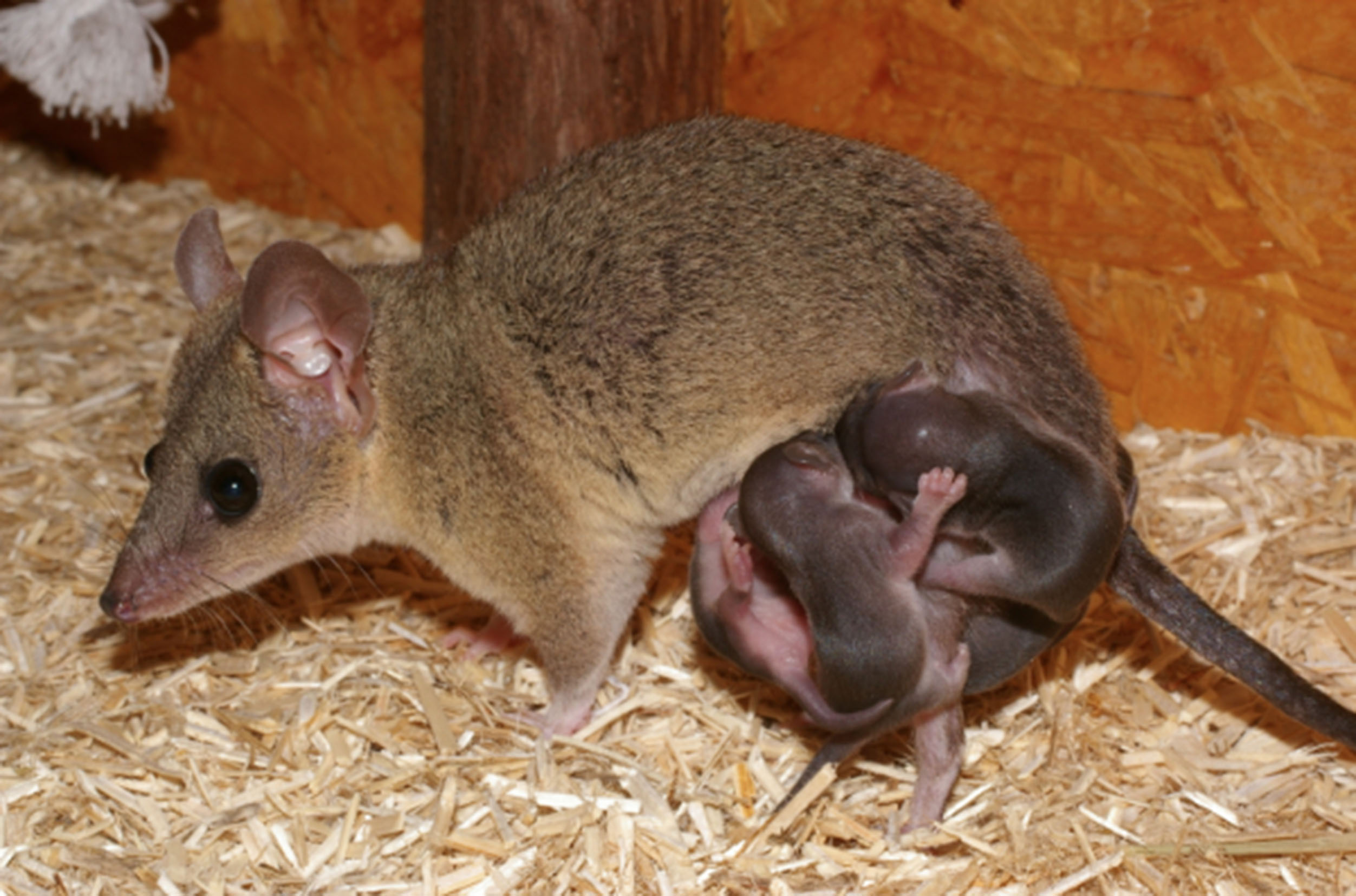
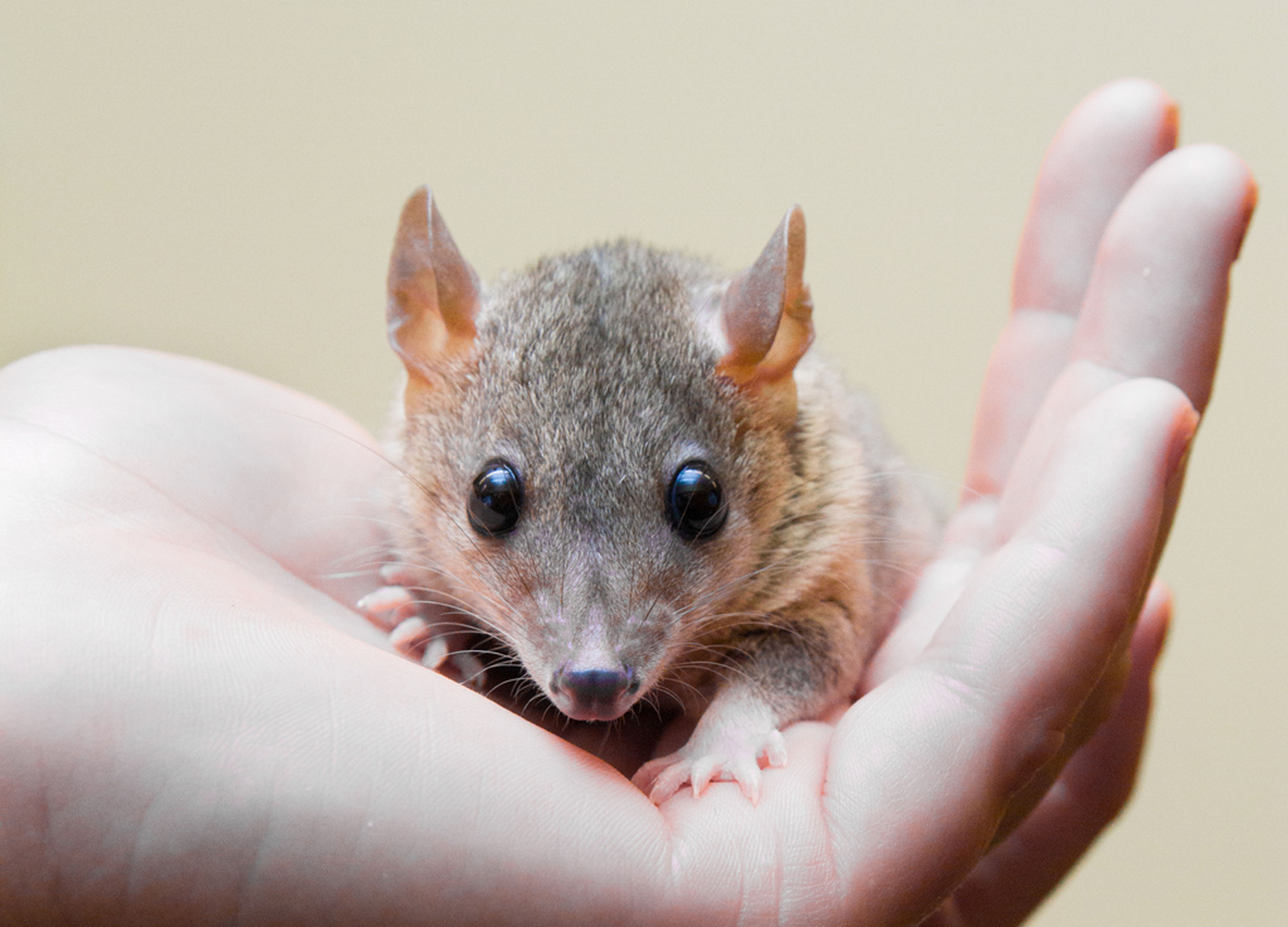
Among the sanctuary’s most surprising exotic animals are our Short-tailed Opossums. These small marsupials come from a partnership with a research laboratory studying reproduction.
Their biology is fascinating. Unlike many other marsupials, females do not possess a pouch. Their babies, which are tiny—about the size of grains of rice—continue their development while attached directly to a nipple.
When these animals are no longer needed for research, they are entrusted to us rather than euthanized. Upon arrival, they are often nervous, highly active, and unaccustomed to human interaction.
Through our sponsorship program, these rescue animals gradually learn to trust the people caring for them. They eventually become valuable ambassadors during our educational activities.
Giant African Land Snails: Unusual Residents
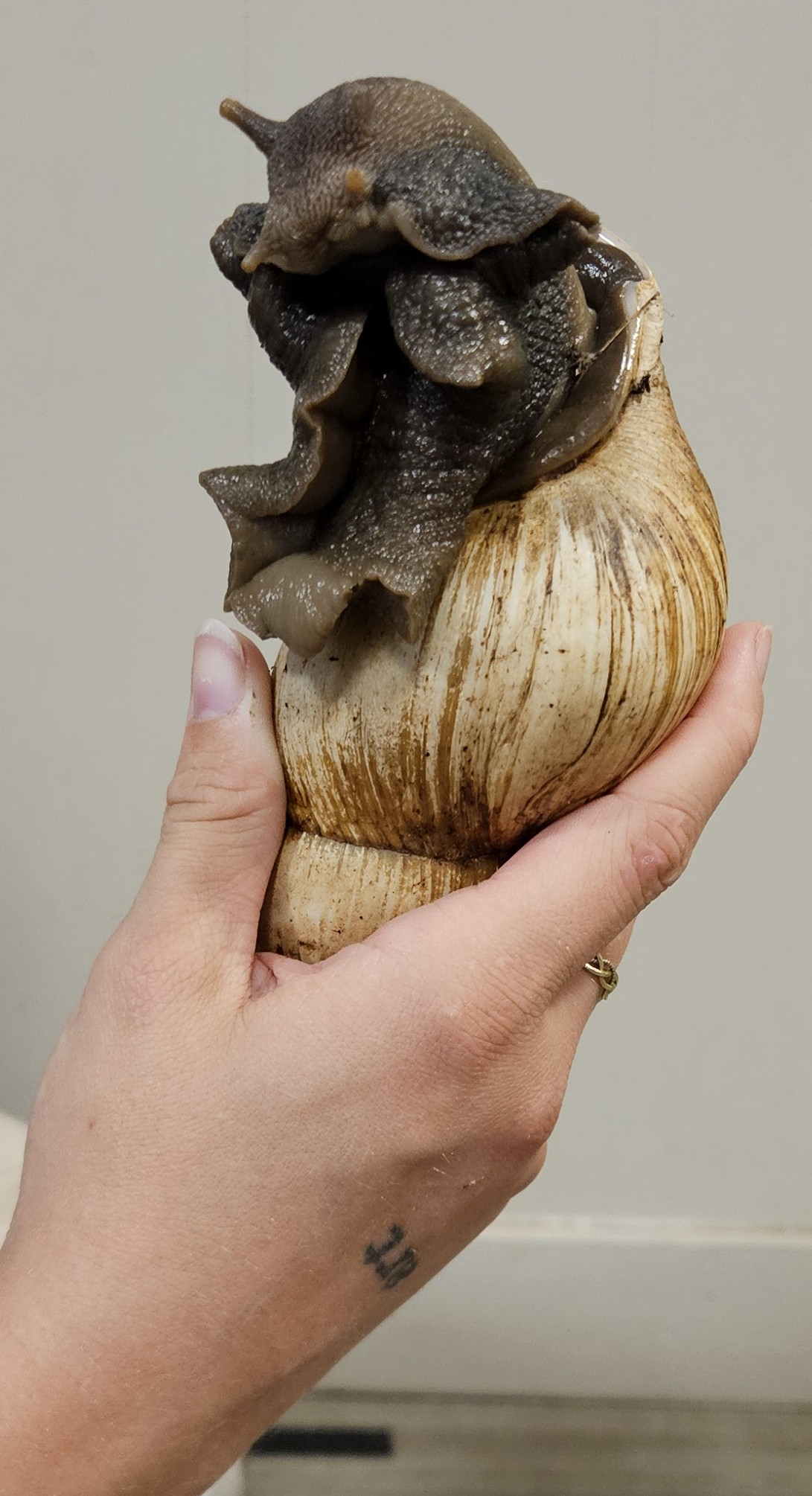
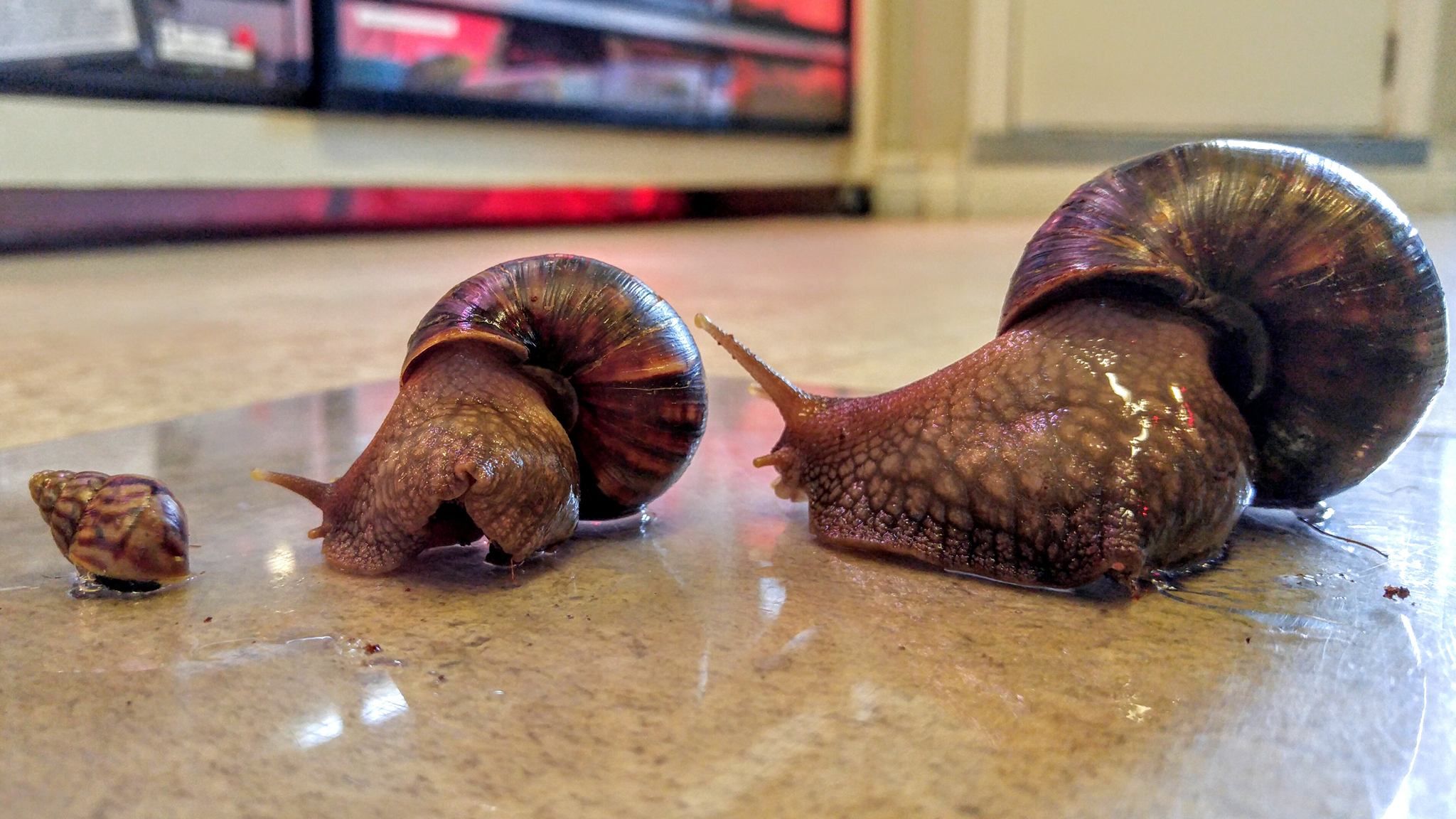
When visitors discover our Giant African Land Snails, many are surprised to learn that ownership of these animals is strictly regulated in Canada.
These impressive mollusks are considered agricultural pests. If released into the environment, they could cause significant damage to native vegetation and agricultural crops. In fact, they have already caused extensive ecological and agricultural damage in Florida and are considered highly invasive there.
To house these exotic animals, Éducazoo must hold permits issued by the Canadian Food Inspection Agency (CFIA). Our facilities are inspected regularly to ensure compliance with strict regulations.
Their presence at the sanctuary demonstrates how some residents have unique stories linked not only to conservation but also to wildlife regulations.
Animal Abandonment Awareness Week: Stories That Make Us Reflect
Every year, numerous exotic animals are abandoned or released into the wild. Behind each case lies a reality that many people know very little about.
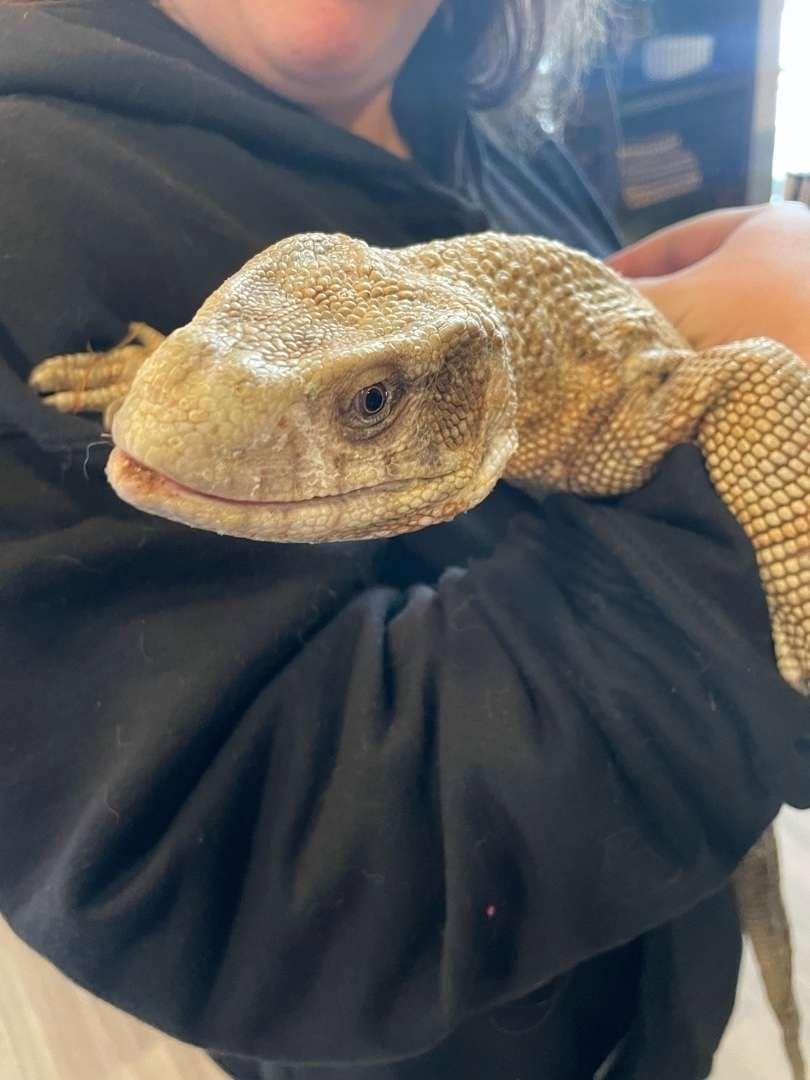
Raptor, a Savannah Monitor, was found beneath the deck of a residential home in July 2023. Three Éducazoo Naturalists responded to recover him. Despite months of intensive care, the consequences of his past eventually caught up with him, and we had to help him on his final journey due to severe kidney disease.
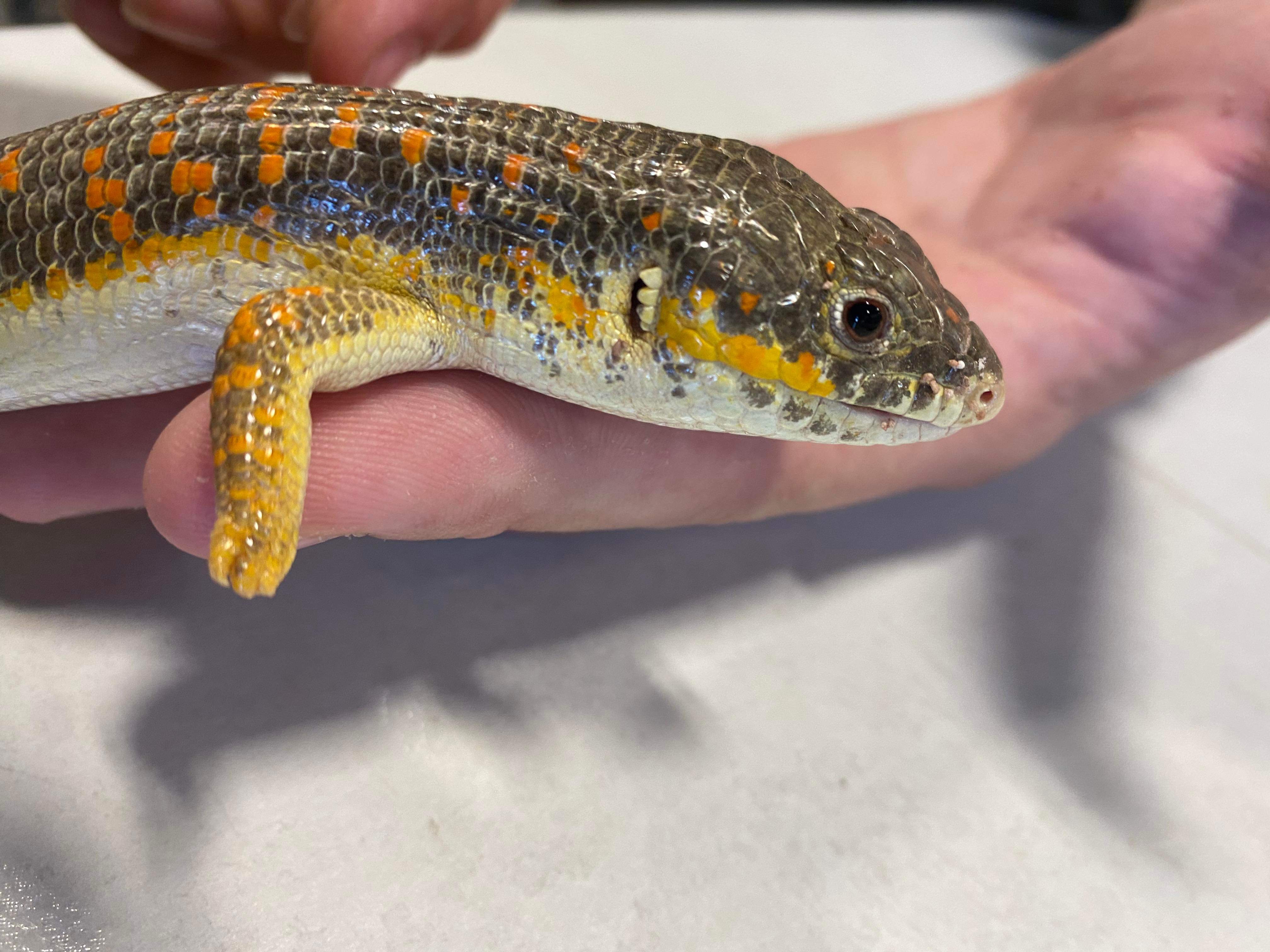
Forest Gump, a Berber Skink, tells a more hopeful story. When he arrived at the sanctuary, his toes were deformed and his spine showed abnormalities caused by severe calcium deficiencies. For years, he had never received the UVB lighting necessary for proper calcium absorption and bone development. Thanks to the care provided by our Animal Care Specialists, he now lives a comfortable and healthy life.
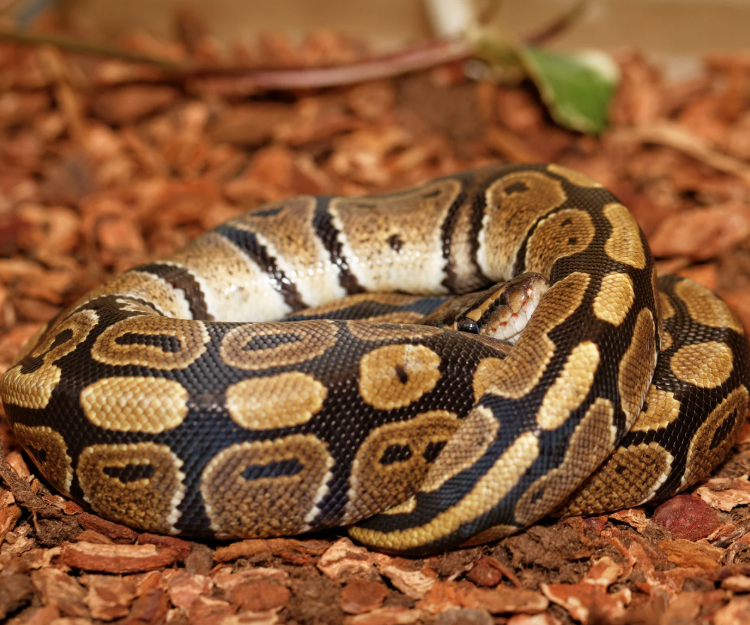
Over the years, numerous abandoned exotic snakes have also found refuge with us, including Corn Snakes, Mexican Kingsnakes, and Ball Pythons discovered in greenhouses, backyards, and even garbage bins. Contrary to what many people believe, releasing a snake does not restore its freedom. It often places the animal in a survival situation where it faces starvation, injury, or hypothermia.
A Mission That Goes Far Beyond Rescue
Behind each of these resident stories is a team working every day to provide a second chance to animals in need. Our mission is not limited to welcoming abandoned or relocated animals. We also strive to educate the public so that future owners can make informed decisions before adopting an exotic animal.
Every story shared in this article demonstrates that responsible surrender is always preferable to releasing an animal into the wild. By educating the public about the true needs of animals, we hope to reduce future abandonment while continuing to provide a safe refuge for residents who need help.
At Éducazoo, every animal has a unique story—and every story deserves to be told.


