


Resident Stories 6 Stories That Reveal the Reality of Our Animal Sanctuaries
23 October 2026

Why do exotic animals end up in a sanctuary? What care do they need once they are rescued? And why can't some exotic animals be released into the wild in Quebec?
When we think of an exotic animal rescue, we often imagine animals that have been abandoned or neglected. Yet the reasons an animal ends up at a sanctuary are much more varied: incompatibility with other members of its species, an owner losing interest, an unexpected health problem or even an accidental arrival in Canada!
In this blog article, our biologist Roxanne Brunelle shares six stories of residents at the Éducazoo animal sanctuary. Some will make you smile, others will surprise you, but all of them will help you better understand the responsibilities that come with keeping exotic animals.
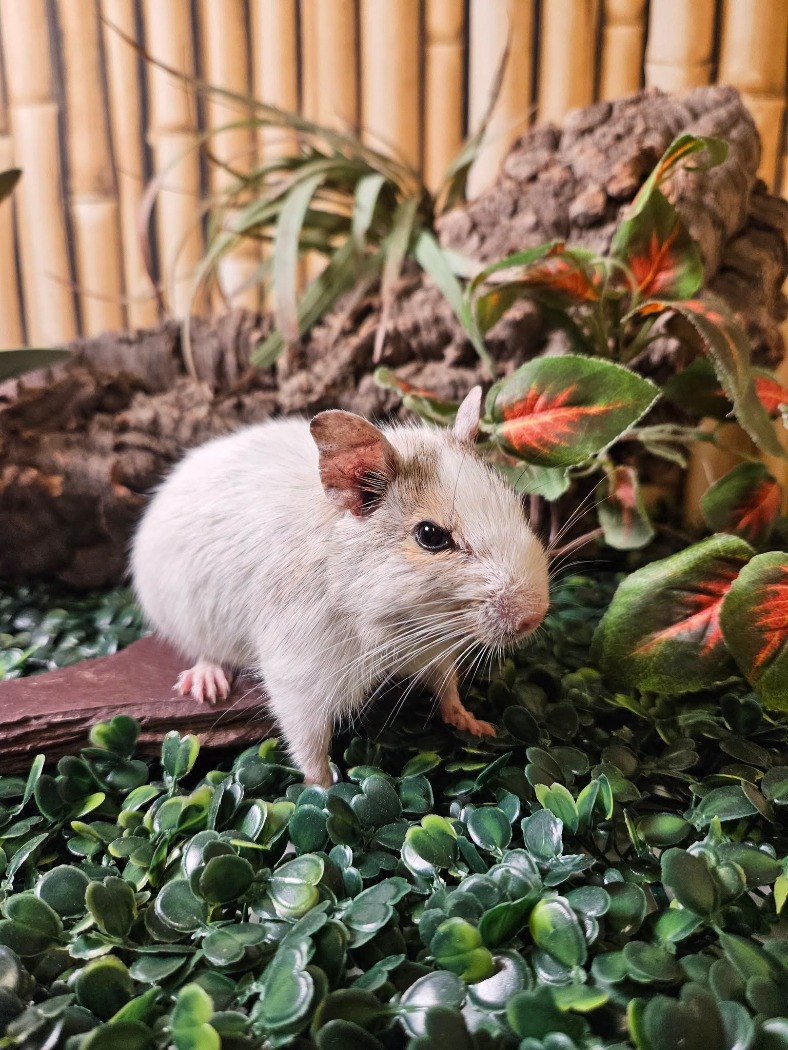
Bobby Blanco and Peace: Two Degus Who Couldn't Get Along
Chilean degus are social animals, meaning they naturally need contact with others of their species. So, is simply putting two degus together enough to make them friends? Bobby Blanco and Peace would tell you it's not that simple!
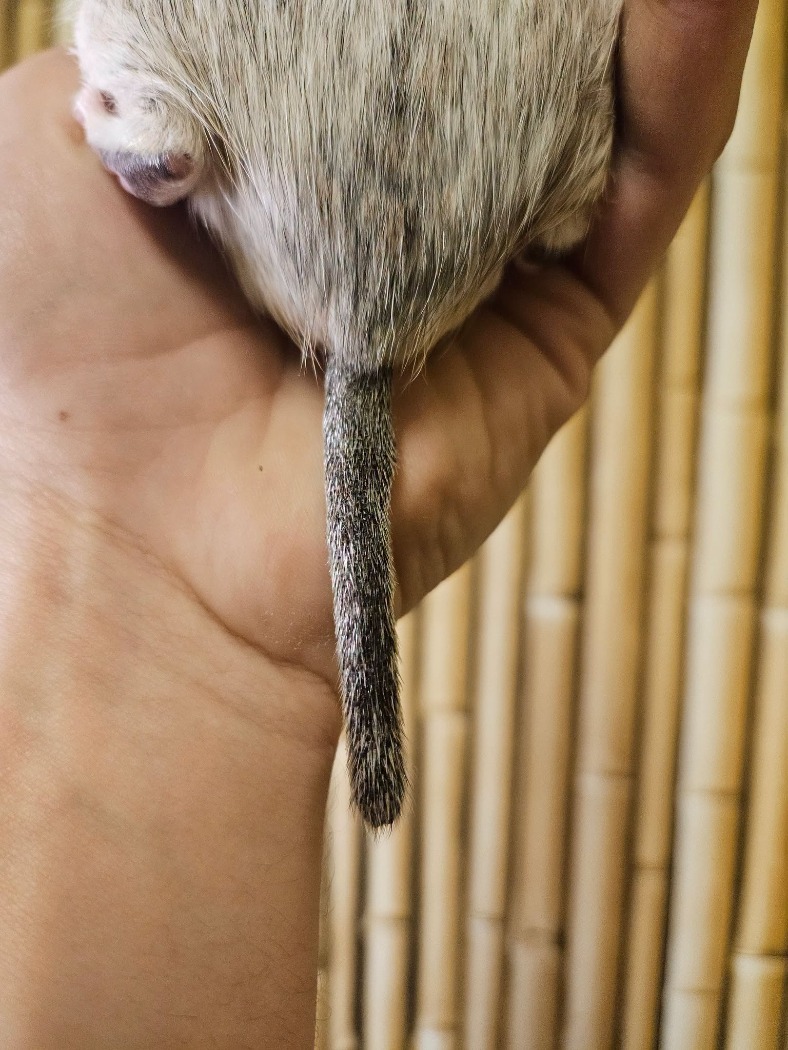
When their former owner learned that degus needed companionship, she adopted Peace, a second male, to keep Bobby Blanco company. For about a month, the two shared a large cage without any apparent problems. Then, a violent fight broke out, during which Bobby lost part of his tail.
Following this incident, both degus were entrusted to Éducazoo. Can two male degus live together? Yes, some groups of males can live together, but their compatibility depends on factors such as temperament, how the group is formed and the resources available in their enclosure.
Today, Bobby's shortened little tail is part of his story. He reminds us that even among social animals, choosing a roommate requires certain precautions!
Jackson: The Corn Snake Who Needed an Unusual Surgery
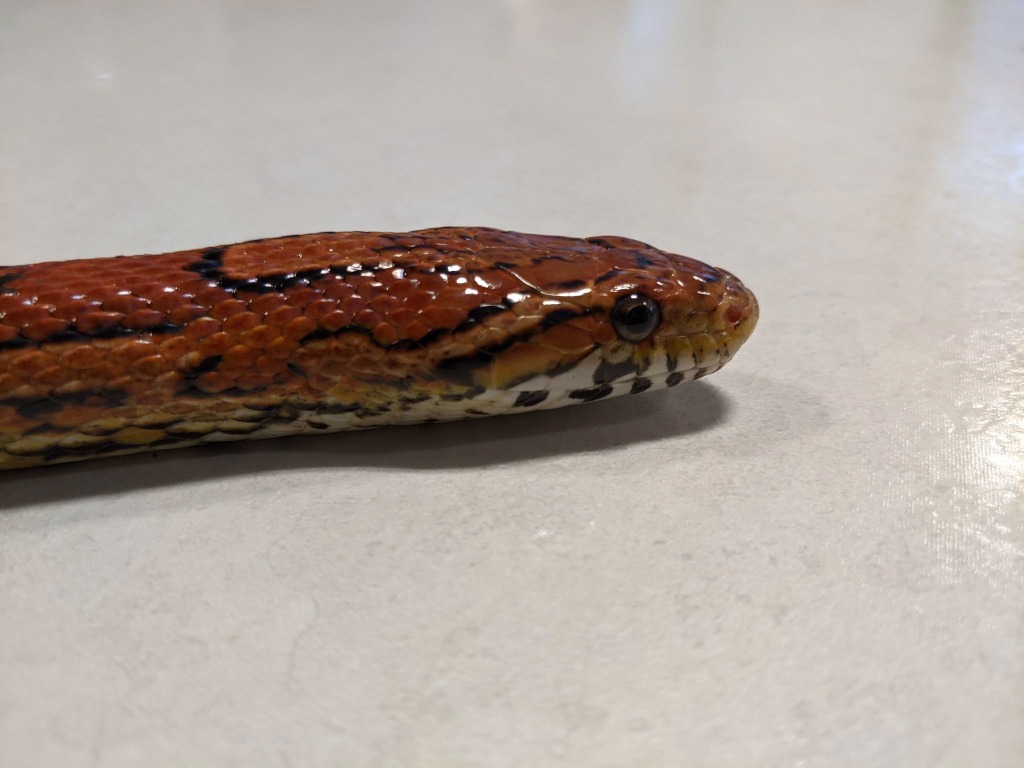
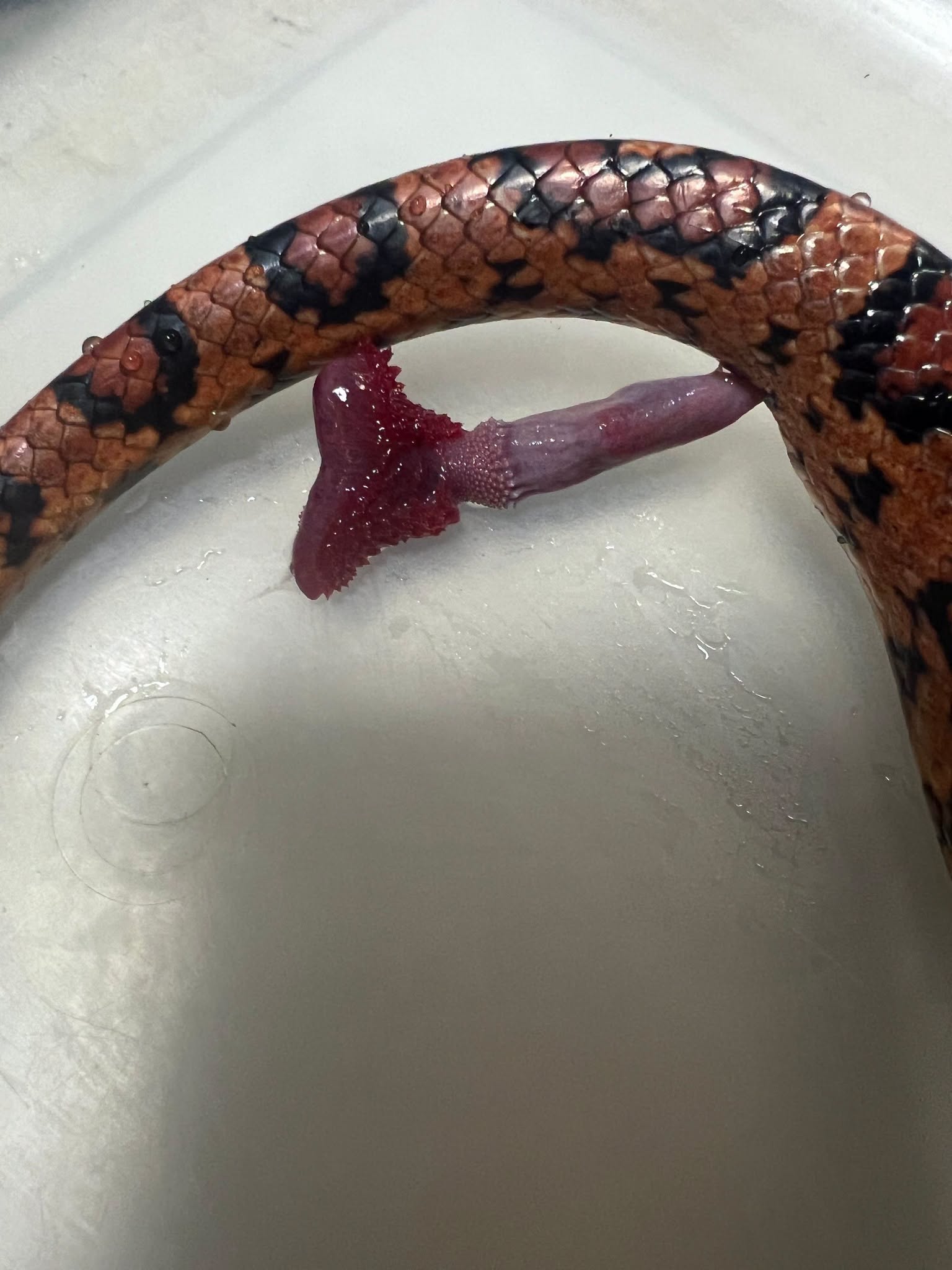
Unlike many of our residents, Jackson, a corn snake, arrived at the sanctuary in excellent physical condition. He had clearly received good care, and there was no reason to suspect that he would one day need a major veterinary procedure. Yet, on May 7, 2025, our Animal Care Specialists noticed a rather unusual abnormality.
Why Do Male Snakes Have Two Reproductive Organs?
Male snakes have two reproductive organs called hemipenes. These are normally retracted inside the body, near the base of the tail, and can extend during mating.
At the sanctuary, our snakes are separated by sex to prevent unwanted reproduction. However, this does not necessarily prevent certain reproductive behaviours between individuals of the same sex.
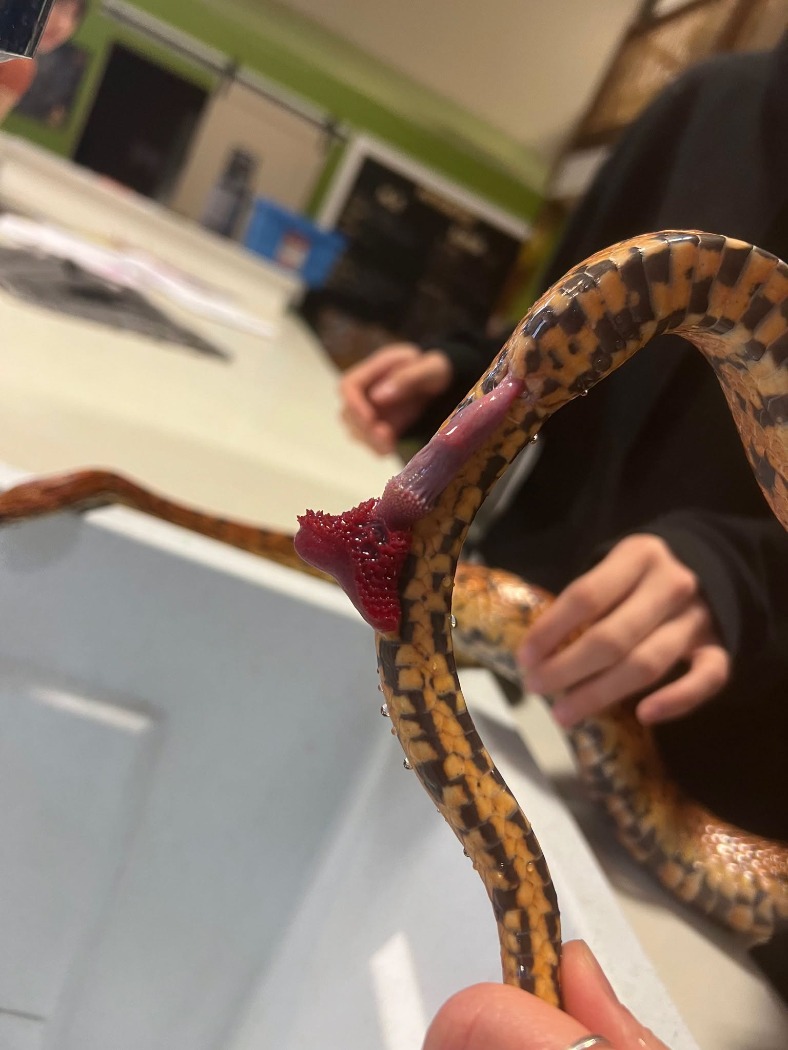
That is precisely what appears to have happened with Jackson. One of his hemipenes extended and could not return to its normal position. This condition is called hemipenal prolapse.
When Veterinary Intervention Became Necessary
Our team quickly contacted the veterinarians to try to reduce the swelling and reposition the organ. A cool bath and the application of sugar were among the methods attempted according to the recommendations received, but without success.
Why was it important to act quickly? When a hemipenis remains exposed, the tissues risk drying out, becoming infected or even undergoing necrosis, meaning tissue death.
On May 10, despite the care provided, the organ was beginning to dry out. Jackson was therefore transported to the Centre hospitalier universitaire vétérinaire (CHUV), where veterinarians surgically removed the affected hemipenis. And if you're wondering: yes, Jackson still has his second hemipenis!
Seven Weeks of Care and Monitoring
The surgery went well, but the work of our Animal Care Specialists was far from over. Jackson received pain medication and anti-inflammatory medication for five days. The surgical area also had to be lubricated several times a day, while his behaviour, feces and healing were carefully monitored.
He was also placed in isolation to support his recovery. Photographs were regularly sent to the veterinary team to monitor his progress.
On June 27, 2025, approximately seven weeks after the beginning of this ordeal, Jackson had recovered enough to return to his fellow snakes.
His story reminds us that a reptile sanctuary does much more than provide food and an enclosure. Daily observation, knowledge of species anatomy and access to specialized veterinary care are just as important.
Axelle and Rose: When Interest in an Exotic Animal Fades
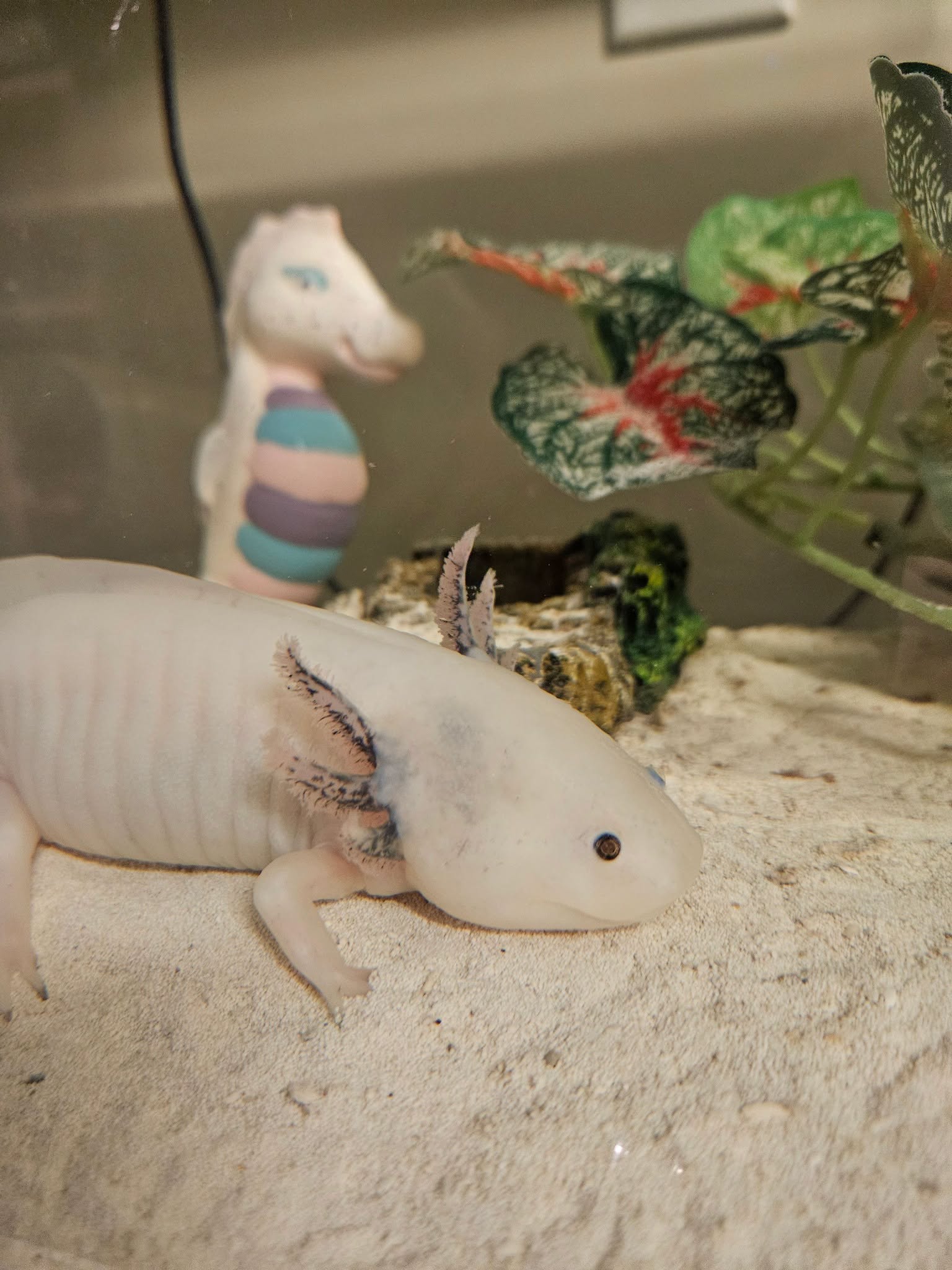
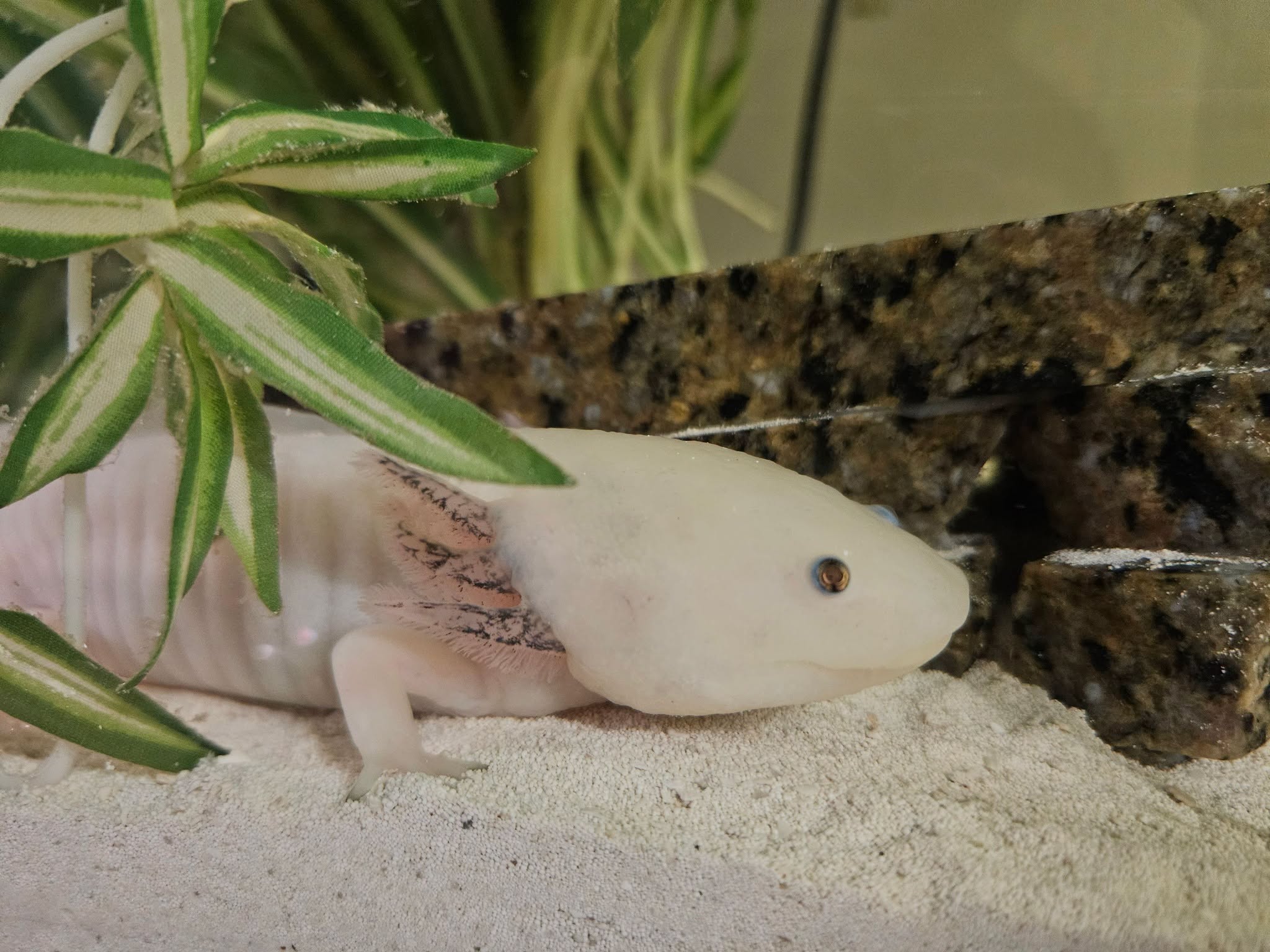
With their funny little smiles and gills that resemble tiny feathers, axolotls have quickly gained popularity on social media. But behind their adorable appearance is an animal whose needs do not necessarily match every owner's expectations.
In 2025, Axelle and Rose, two axolotls, were entrusted to us together because their owner had simply lost interest in them. Can you handle an axolotl? Unlike some domestic animals, the axolotl is primarily an animal to observe. Its delicate skin and aquatic lifestyle mean that handling should be limited to what is strictly necessary.
Yet axolotls have fascinating characteristics! They can regenerate certain damaged limbs and tissues. They also retain larval characteristics into adulthood, a phenomenon called neoteny.
But even after the novelty wears off, their needs remain: aquarium maintenance, monitoring water quality and temperature, an appropriate diet and veterinary care when needed.
How long does an axolotl live ? Is it a good pet? Before adopting one, you need to ask yourself whether you will still be willing to devote time to it in five, ten or even fifteen years.
Axelle and Rose remind us that an animal may lose its novelty appeal, but our responsibilities toward it never disappear.
Peppered and Hissing Cockroaches: Residents That Require Special Permits
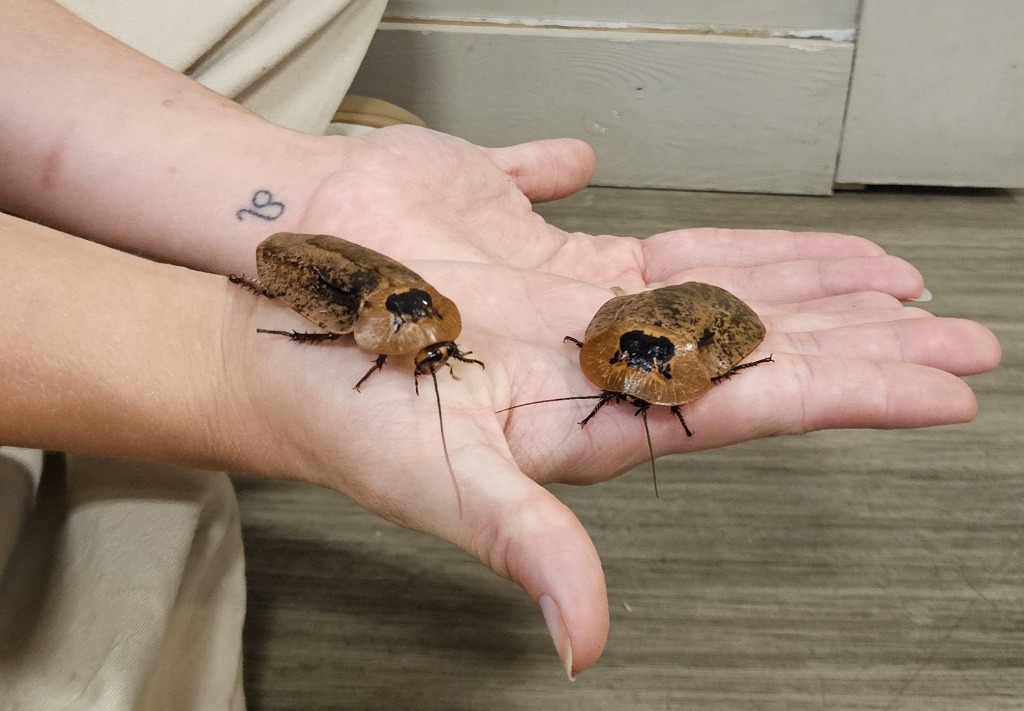
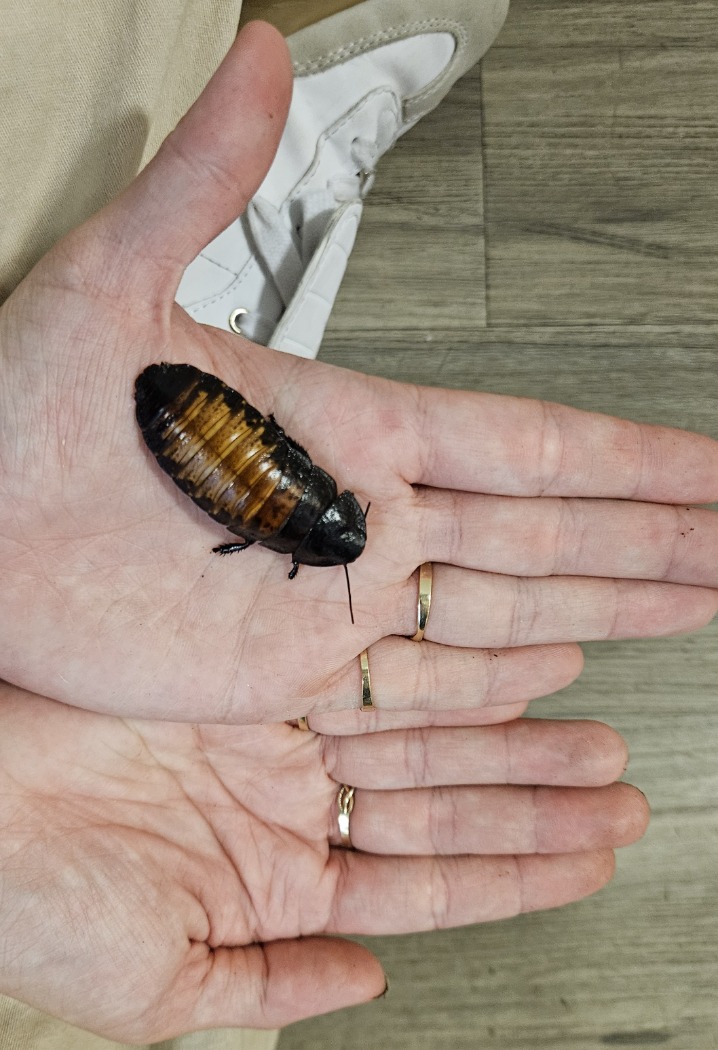
Did you know that certain exotic cockroaches cannot be kept freely in Canada? At the sanctuary, we care for several dozen peppered cockroaches and hissing cockroaches. Despite their harmless appearance, keeping them is strictly regulated.
To house them and present them during our educational activities with animals, Éducazoo must hold permits issued by the Canadian Food Inspection Agency (CFIA).
Why so many precautions? Because these species are considered potential plant pests, meaning organisms that could damage vegetation if introduced into a new environment.
Every two years, our facilities are inspected to verify compliance with the requirements of our permits.
Keeping these cockroaches without the required authorizations can result in penalties. Their story reminds us that adopting an exotic animal in Canada may also be subject to regulations designed to protect our environment.
Little Stowaways: Animals That Arrived in Quebec Against Their Will
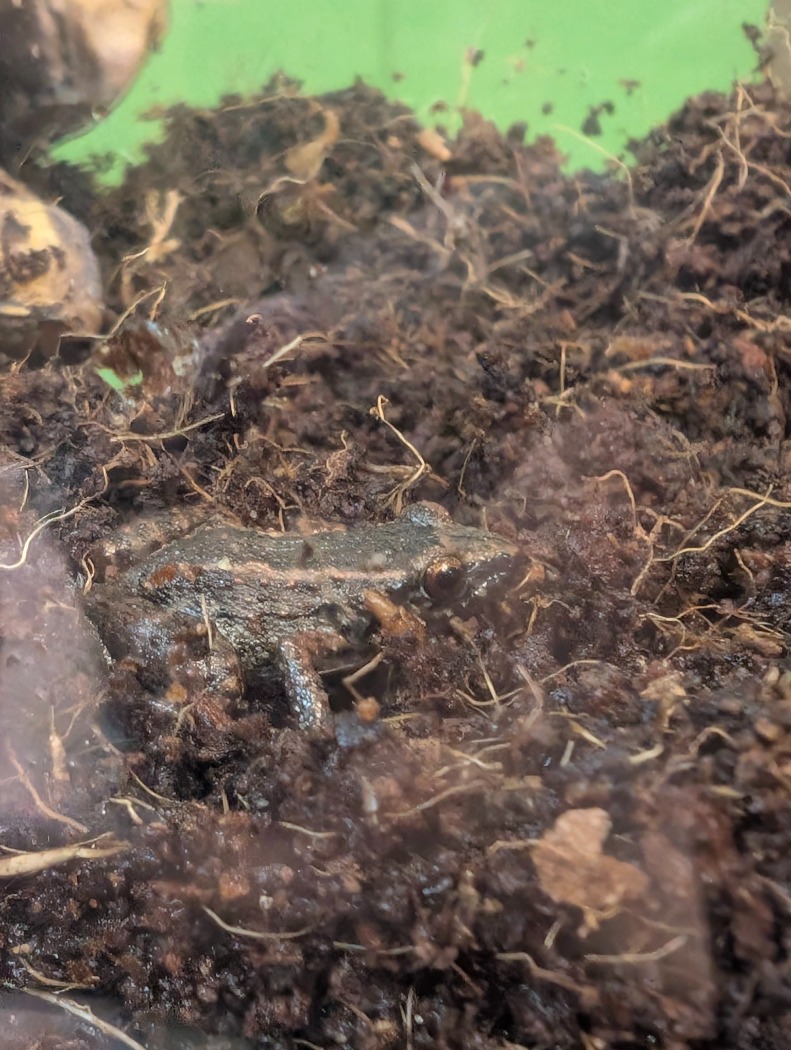
Imagine returning from vacation, opening your suitcase and discovering that a little gecko travelled home with you! Every year, our animal sanctuary in Quebec welcomes exotic animals found in travellers' luggage, garden centres and even among the fruits and vegetables in our grocery stores.
These animals may have travelled thousands of kilometres, sometimes without water or food for several days. And contrary to what you might think, they cannot simply be released into the wild in Quebec.
Démétan, Rémi, Émile and Mini: Four Unexpected Arrivals
Démétan arrived in Quebec hidden in a plant from IKEA. Rémi, a small gecko, was discovered in the luggage of a family returning from a trip down south.
Émile was found in a plant purchased at Floralis Jouvence. As for Mini, a jumping spider, she was discovered among the fruit at a grocery store while carrying eggs.
These little travellers were not intentionally abandoned. They simply ended up very far from their natural habitats, with no easy way to return to their environments of origin.
Why can't you release an exotic animal into the wild in Quebec? Because it might not survive the climate, could carry pathogens or, under certain circumstances, disrupt local species.
At the sanctuary, these animals therefore receive care and accommodations suited to their needs.


An Animal Sanctuary: Much More Than a Refuge for Abandoned Animals
These stories illustrate different aspects of our work. Bobby Blanco and Peace remind us that a species' social needs do not guarantee compatibility between individuals. Jackson demonstrates the importance of specialized veterinary care, while Axelle and Rose highlight the long-term responsibilities associated with adoption.
Our exotic cockroaches illustrate the regulations governing the keeping of certain species. Finally, our little stowaways remind us that an animal may need refuge without having been abandoned by anyone.
At Éducazoo, our mission as an exotic animal rescue is to provide every resident with an appropriate environment, care and long-term safety. Our educational activities also introduce these species to the public and raise awareness about the responsibilities involved in keeping them.
Because behind every animal presented by our Naturalists is a story worth telling.


